DRAW THE CURTAIN. DIM THE LIGHTS. MEMORABLE PERFORMANCE PICKS FOR 2025
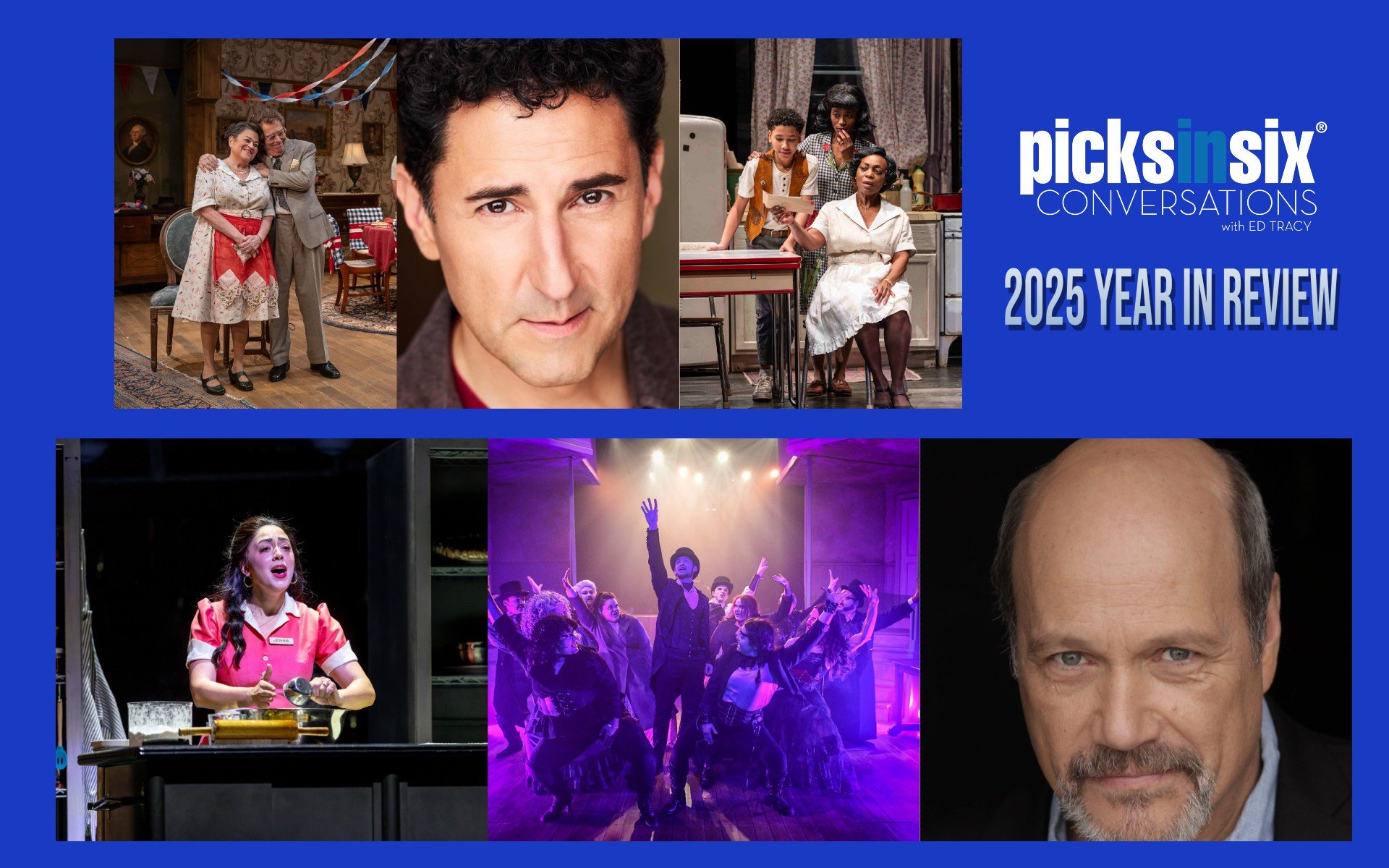
DRAW THE CURTAIN. DIM THE LIGHTS.
Memorable Performance Picks for 2025
PicksInSix® Review | Ed Tracy
It is hard to believe that CONVERSATIONS|PicksInSix® turned ten this year. To be honest, with the shutdown, it feels a bit more like the second act of a ten scene play with an overly long intermission. The post-pandemic era in which we live still has mighty challenges for the performing arts, but the new normal has had a spirited rebirth that continues to provide a wide range of offerings to Chicago audiences.
It is always a challenge to single out the memorable moments of the shows we cover each year, including both onstage artists and off stage creative teams. We cannot see everything, but we try to do our best in theaters across the city and suburbs as well as the work of producers who bring their projects for Chicago’s diverse and discerning audiences.






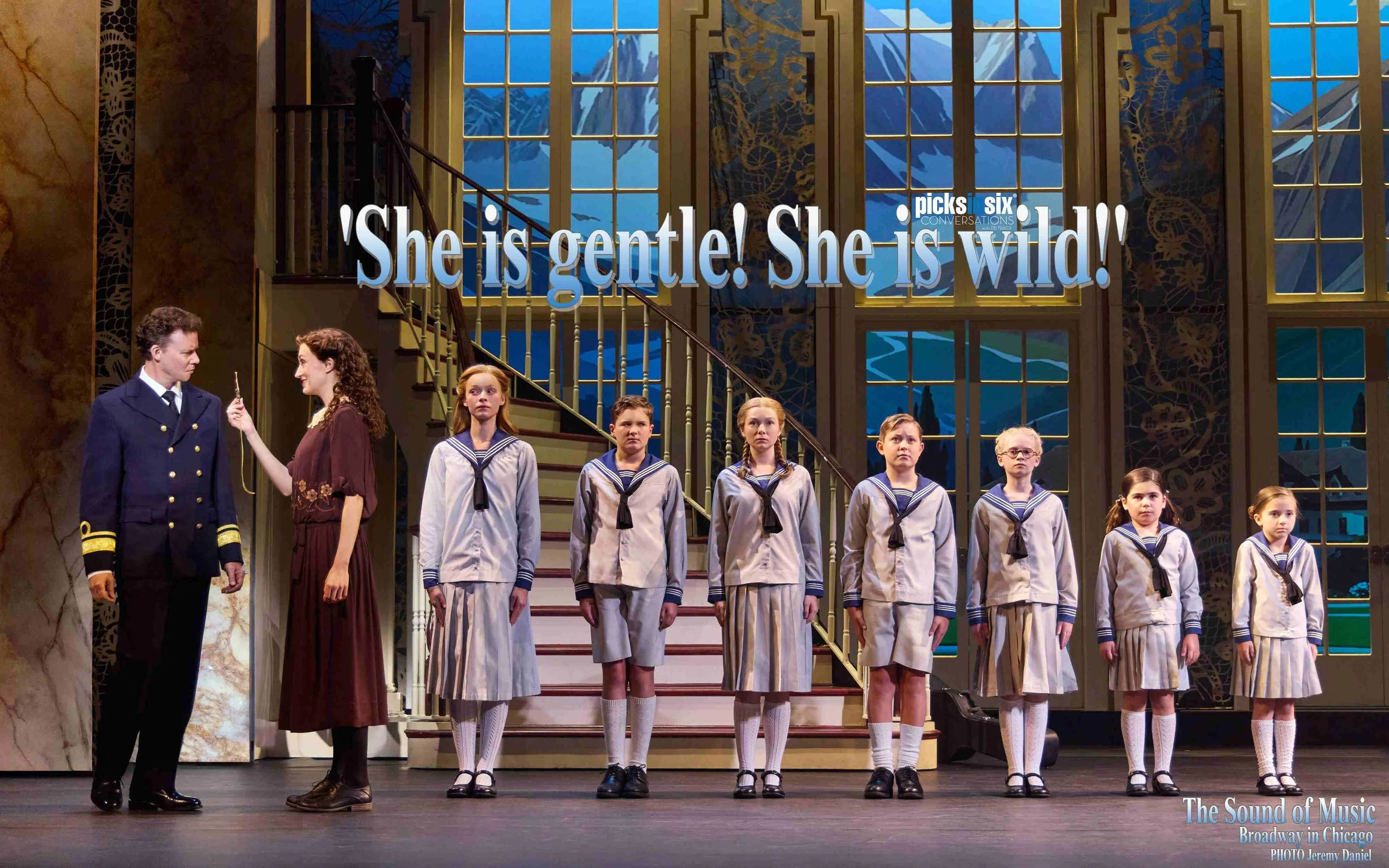
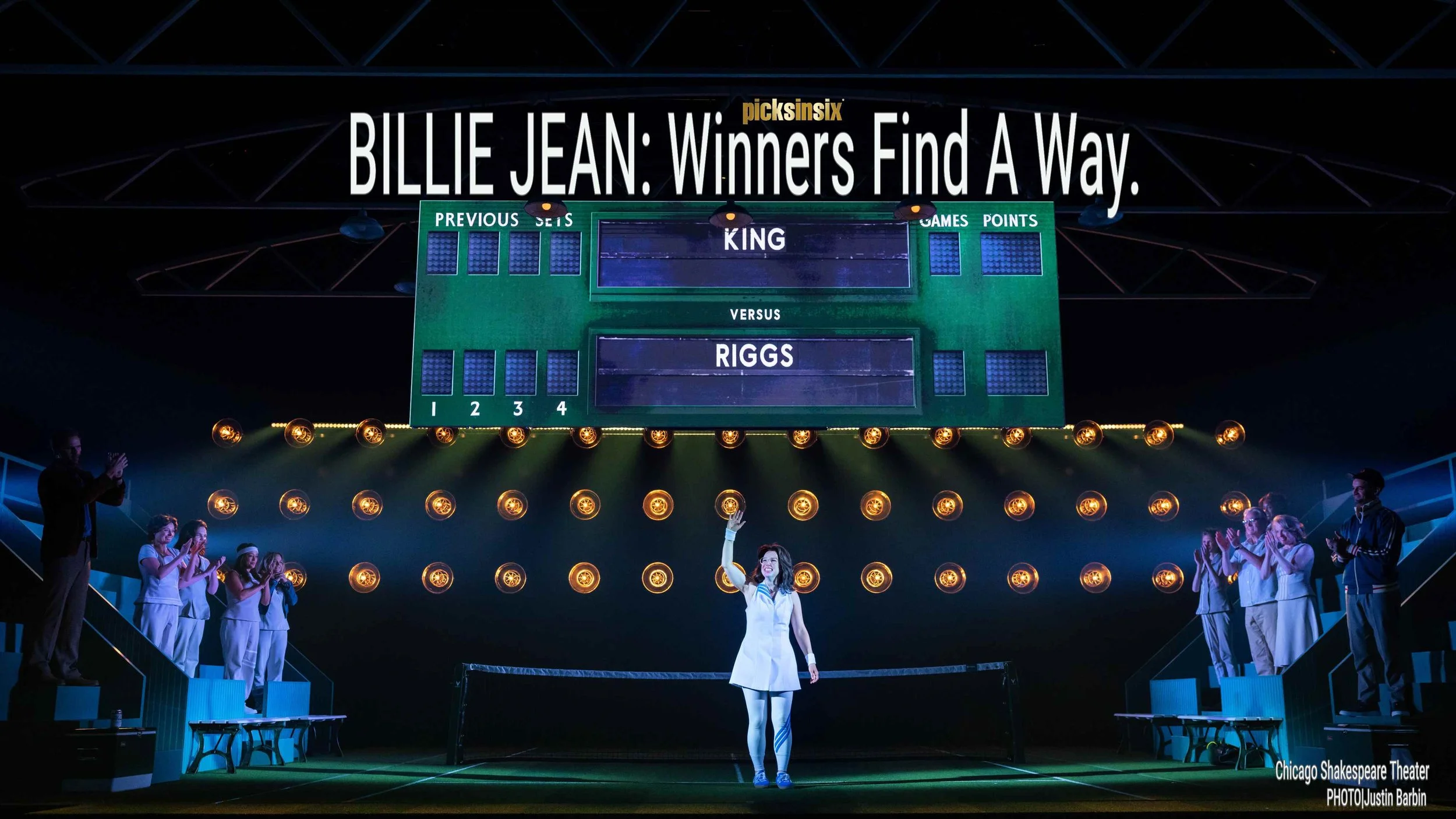
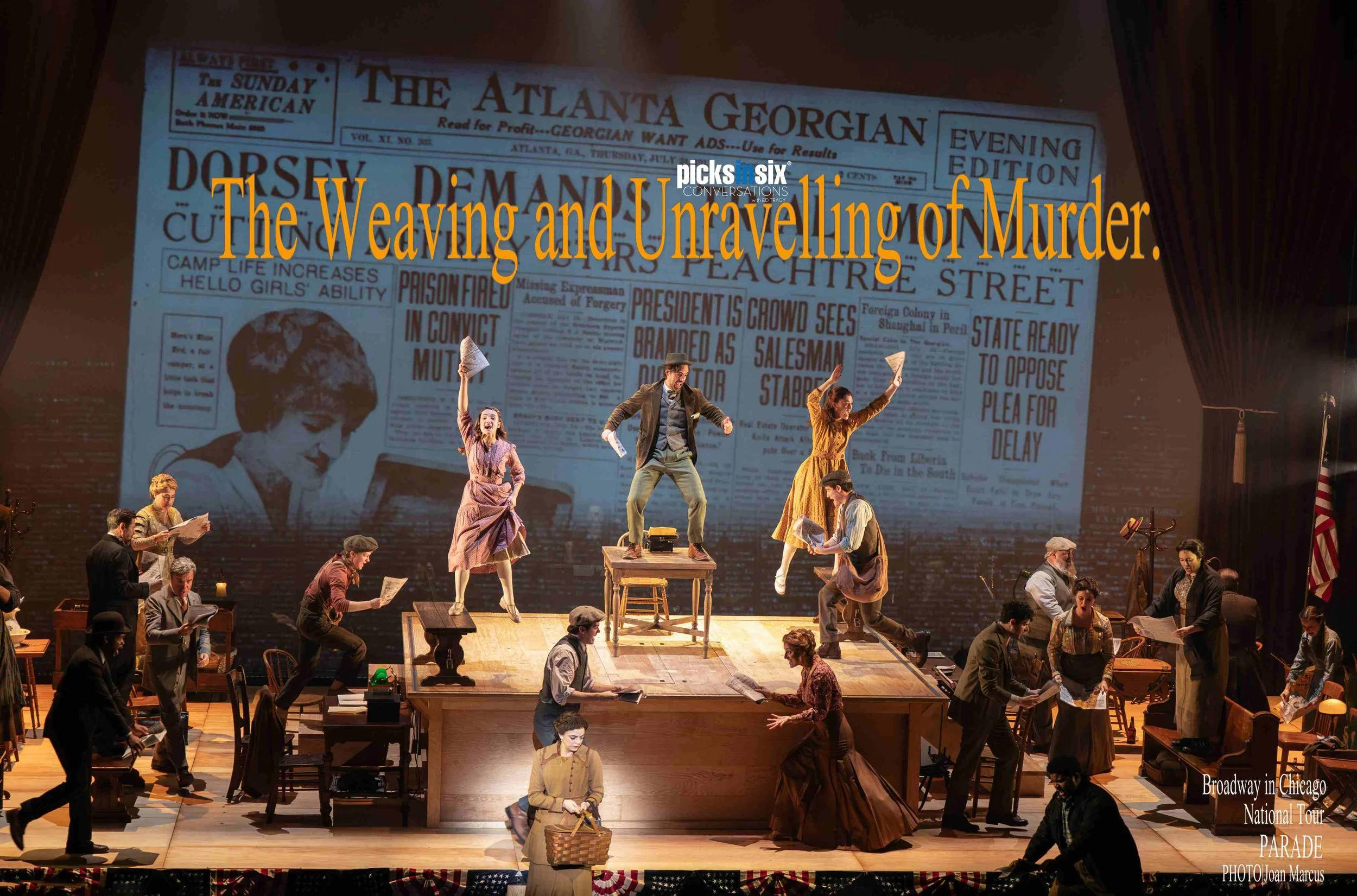
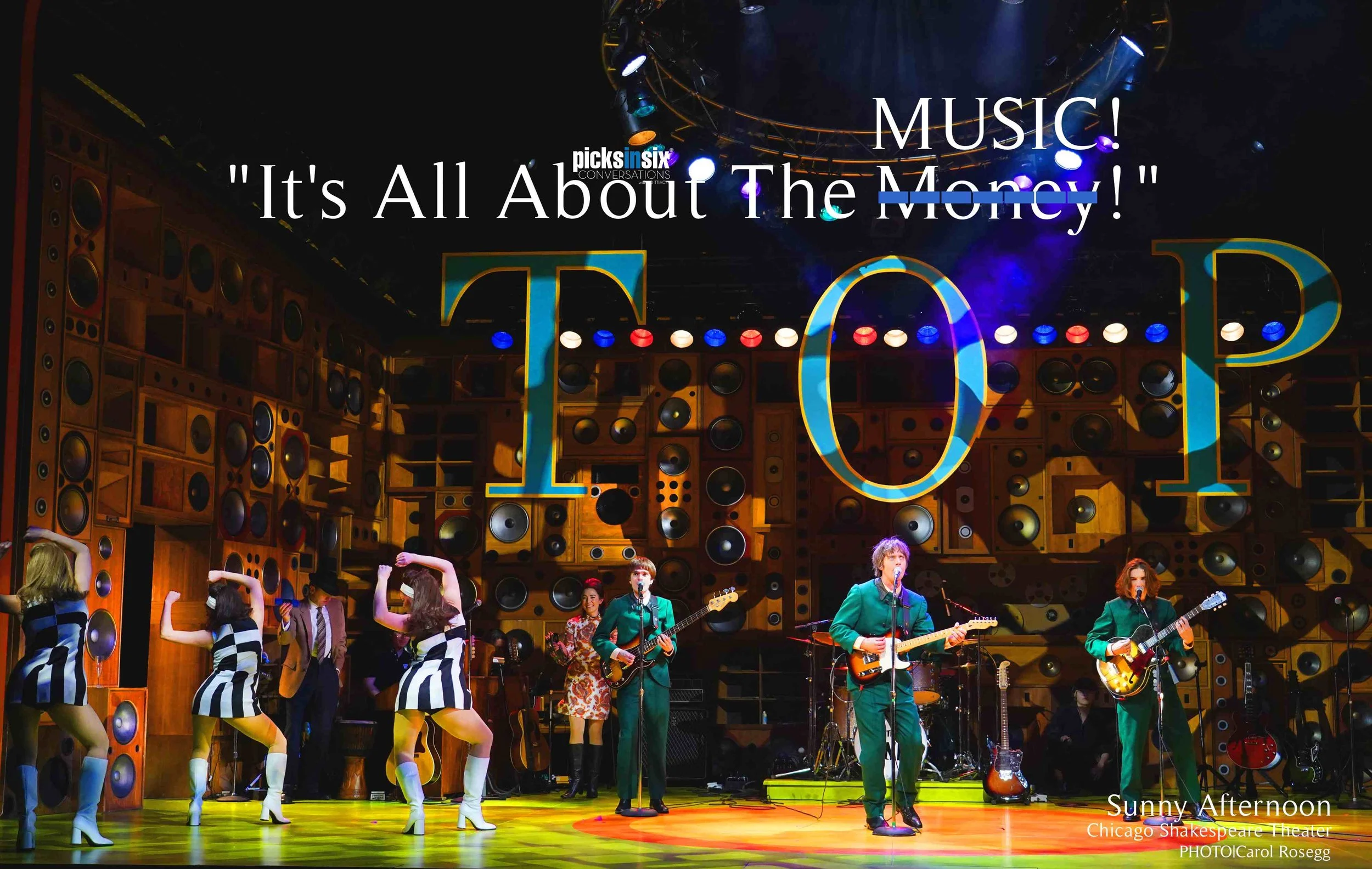
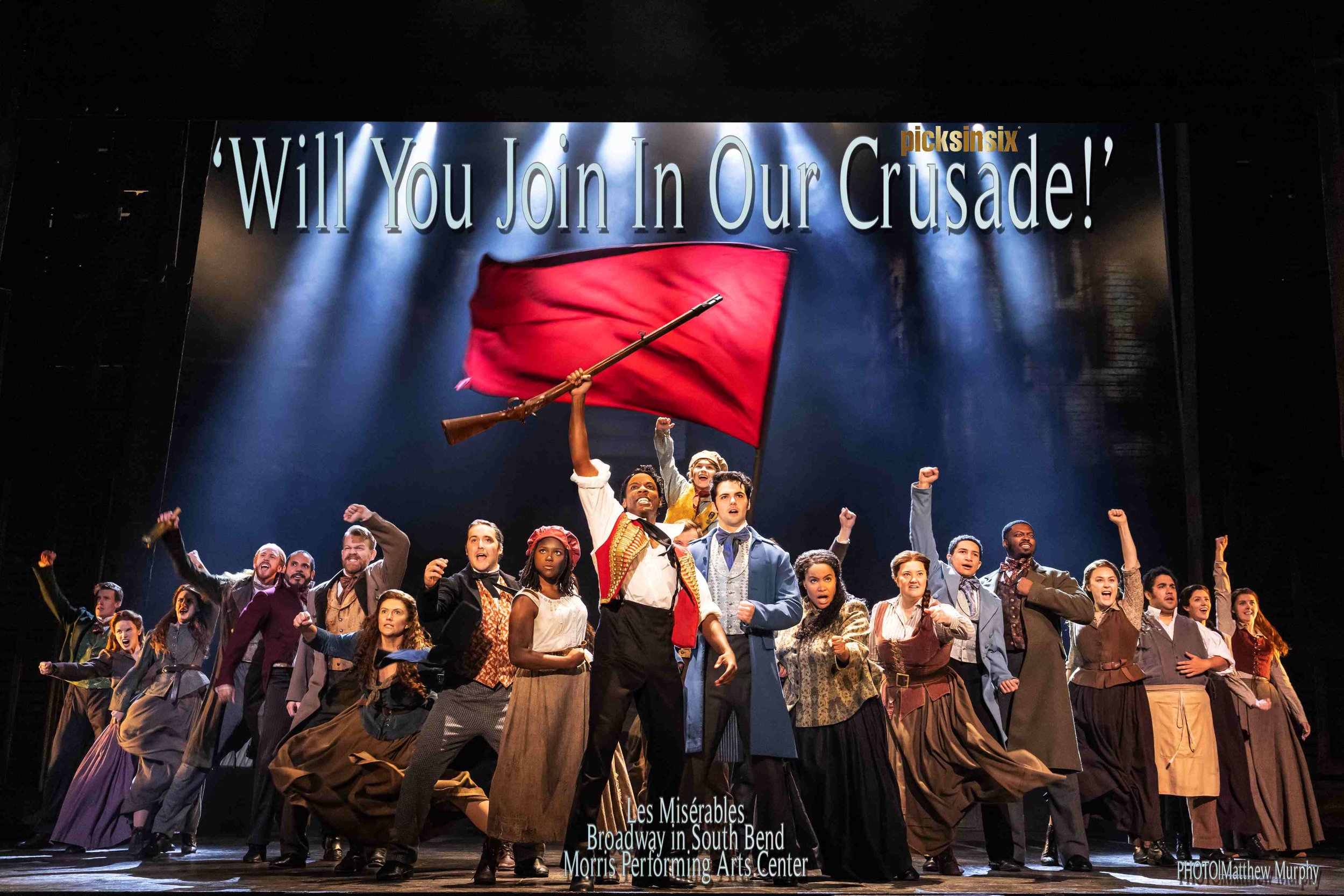
Among the notable productions in that last category that fall outside the year-end review were “Sunny Afternoon,” and “Billy Jean” at Chicago Shakespeare, “Kimberly Akimbo,” “Parade” and “The Sound of Music” at Broadway in Chicago and the touring production of “Les Miserables” that we saw at Broadway in South Bend with Chicago’s own Matt Crowle in the role of Thenardier. Chicago’s Larry Yando is still out making magic on the road with “Harry Potter,” as are the wonderful Heidi Kettenring and Gene Weygandt with “A Beautiful Noise: The Neil Diamond Musical” and a rising star we think you will be hearing a lot more about, Darilyn Burtley, who is touring as Tina Turner in “Tina.” Chicago talent is making an impression everywhere.

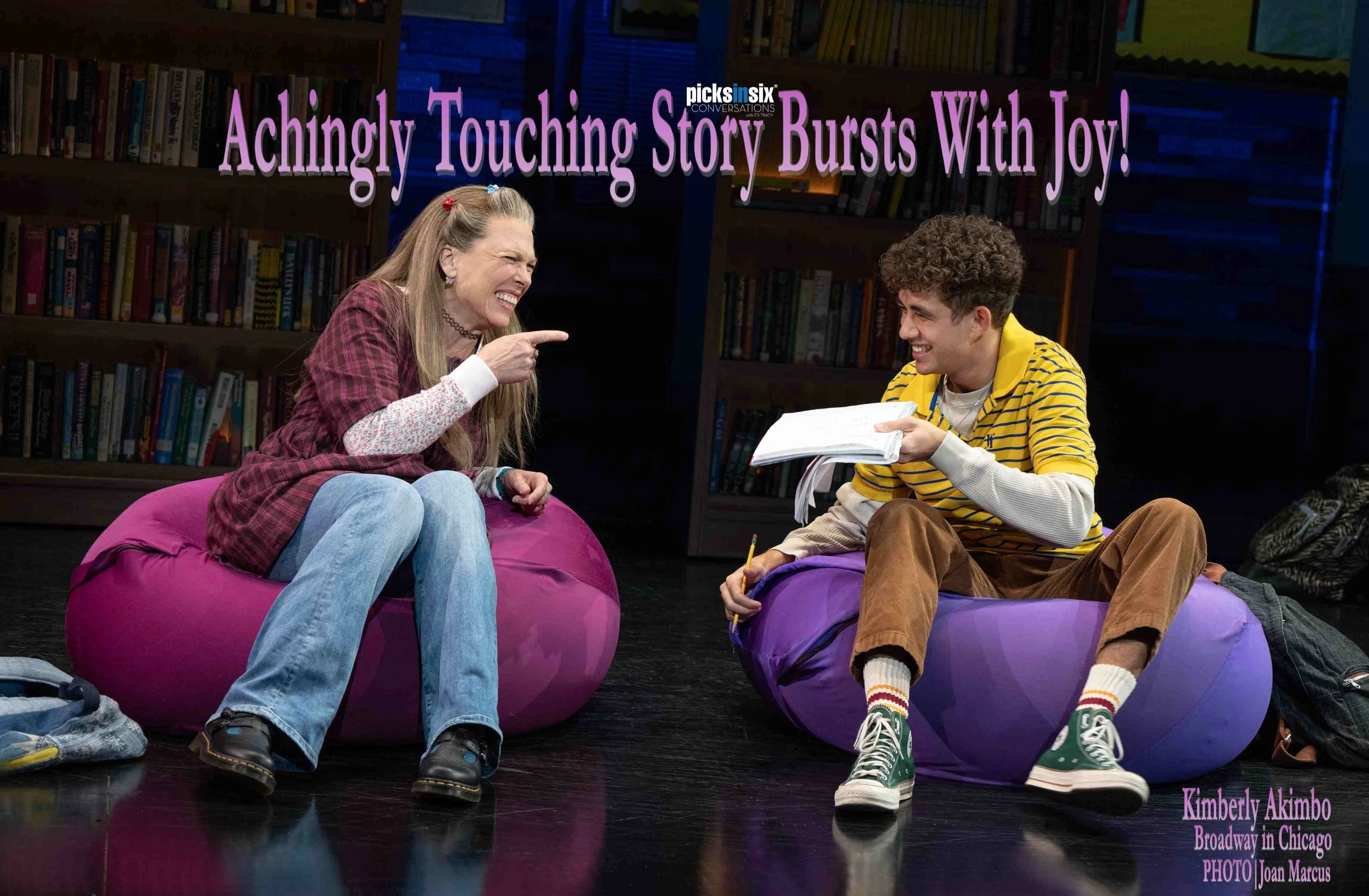
There were some disappointments, too, chiefly that “BOOP! The Musical,” with the stunning Jasmine Amy Rogers and Steppenwolf’s “Little Bear Ridge Road,” with the captivating Laurie Metcalf, did not transfer well to New York after sensational runs in town.
Chicago is a creative laboratory for theatre, despite the challenges facing everyone at a time when our arts and live performance creators are reimagining operating models. It is a big lift to maintain the delicate balance between developing new talent and consistently presenting ambitious, unique and profitable projects. The responsibility for future success does not rest with one faction. It will take the combined efforts of emerging artists, educators, every theatre company and their leadership working with angel donors, sponsors, technical professionals and volunteer organizations like the Jeff Committee to infuse energy, enthusiasm and financial support.
It is a business, however, and all creative artists involved deserve to be respected for their own investment and given the opportunity to earn a living doing what they do so well. One of the most exciting developments evolving now is the three-year, $600,000 grant from the Paul M. Angell Foundation for Theater Wit's Shared Spaces program that allows the organization to offer reduced rates to producing companies. Imagine if other like-minded philanthropists joined to establish a universal live production endowment, perhaps managed independently on a pro-bono basis by a group of investment and industry professionals who distributed funds solely for the benefit and sustainability of performing artistic organizations in Chicago. If you would like to talk about the possibilities, let’s get in touch.
In the meantime, there are dozens of individuals who dedicate their time and talent to the Chicago theatre community. Our regional and national publicists provide invaluable, comprehensive support—at all times of the day and night—and allow the media access to create features, promotional pieces and reviews. It’s an honor to be invited and a responsibility that we all take very seriously. Thank you!
The brilliant Chicago theatre photographers like Michael Brosilow, Brett Beiner, Joe Mazza, Todd Rosenberg, Evan Hanover, Kyle Flubacker, Justin Barbin, Boris Martin and videographers HMS Media, among many others, commit their expertise and professionalism to document these productions and preserve a vivid archive for future generations. A special mention to the late Rich Hein (a/k/a/ Liz Lauren) whose passing this year was a stunning loss. Our gallery tribute was a testament to only a small portion of his work over a decades long photographic career.
This year CONVERSATIONS|PicksInSix® celebrated 10 years creating a fascinating archive of conversations and hundreds of reviews that would have not been possible without the support of writers like Ronald Keaton, Scott Gryder, Kaitlyn Linsner, Sarah Frances Fiorello, Catey Sullivan and Regina Belt-Daniels. Thank you most sincerely. Special thanks to the American Theatre Critics/Journalists Association and Theatre in Chicago’s Mark Meyer for coalescing critical reviews for the public at large.
In the end, it’s all about the show. Our thanks to all of the artists and organizations who invited us to share in their productions. Each performance is a new and exciting experience. What follows, in alphabetical order, are a few of the memorable moments, with a link to the review, from the shows that stood out as among the best and brightest for 2025:
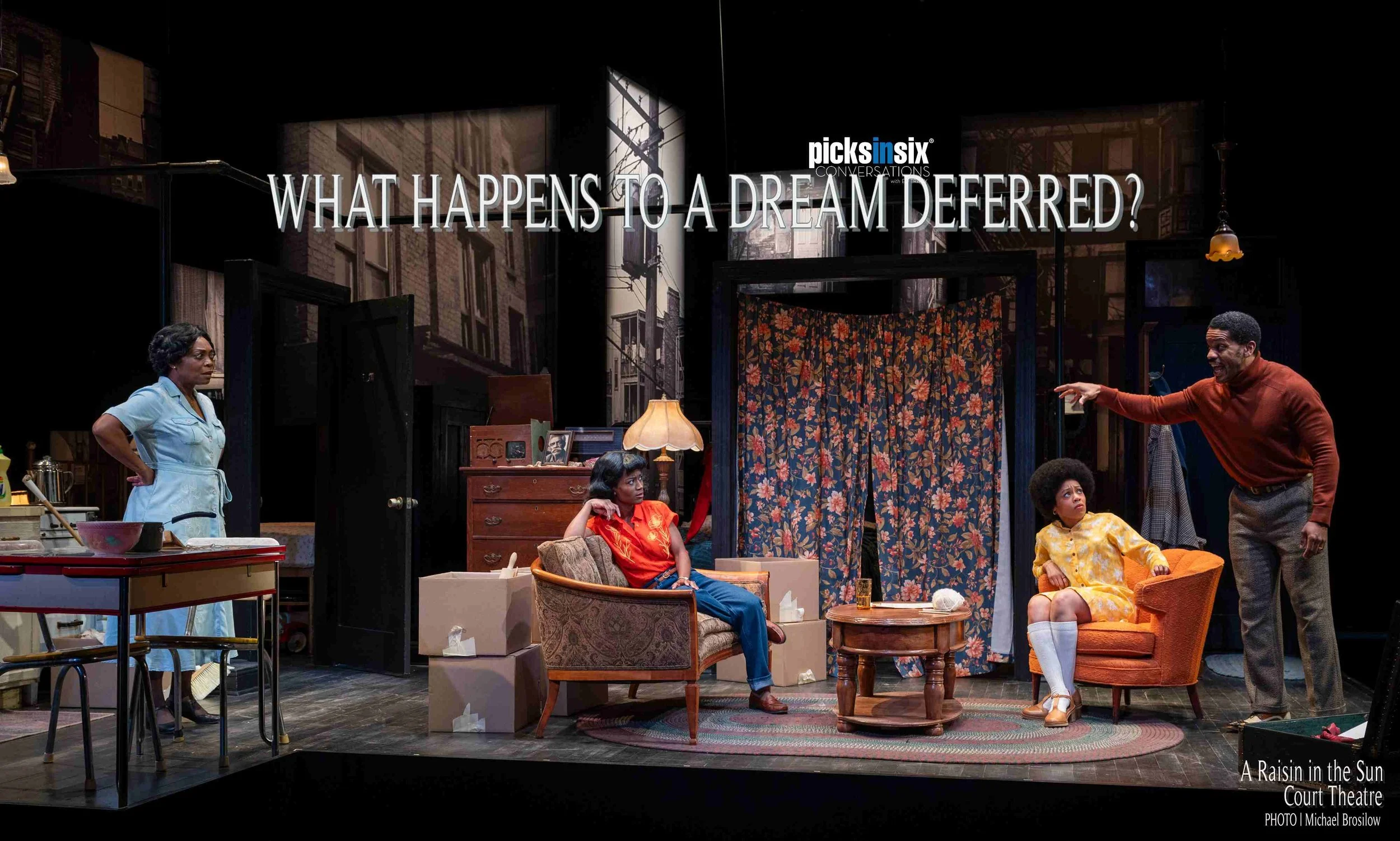
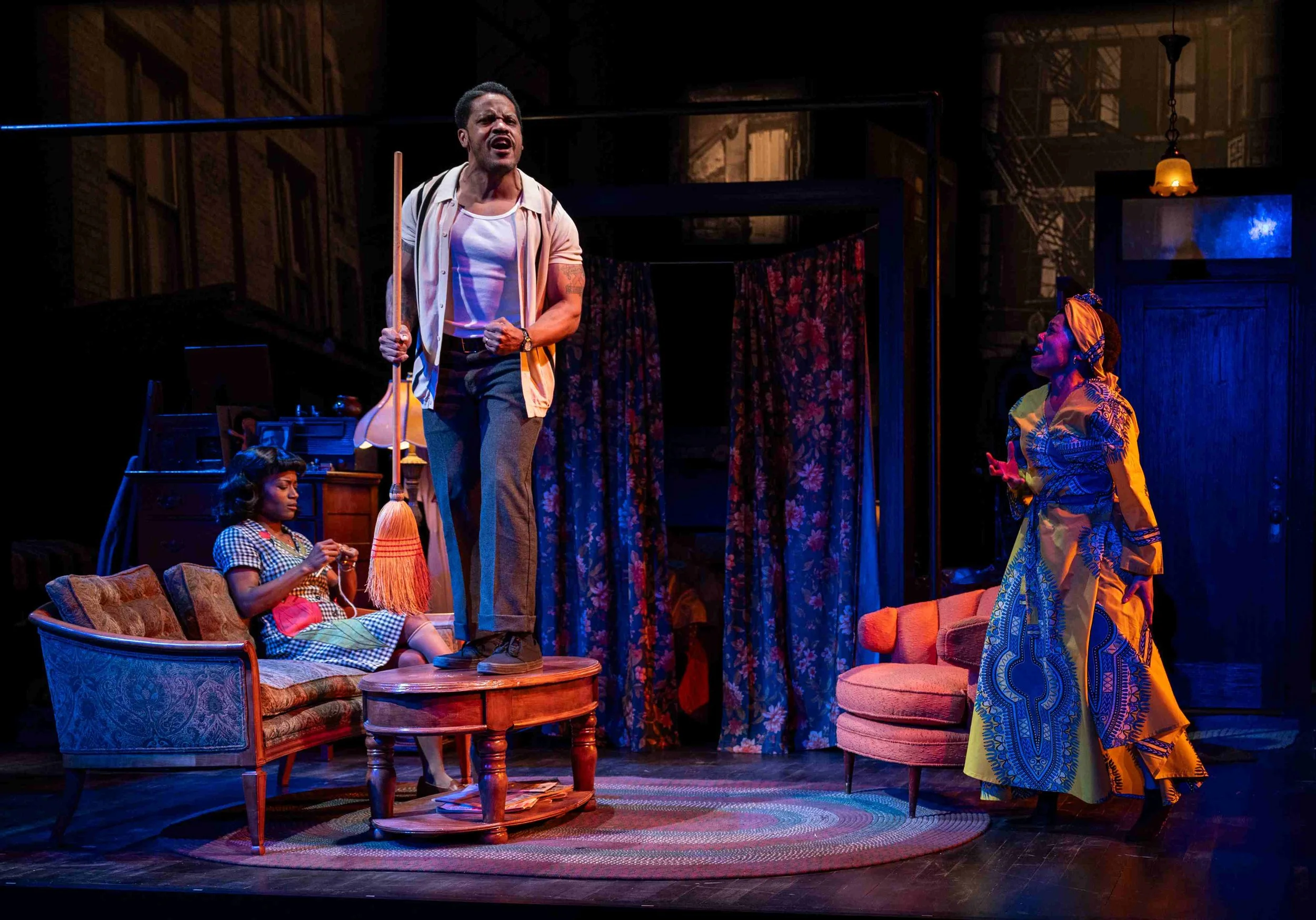
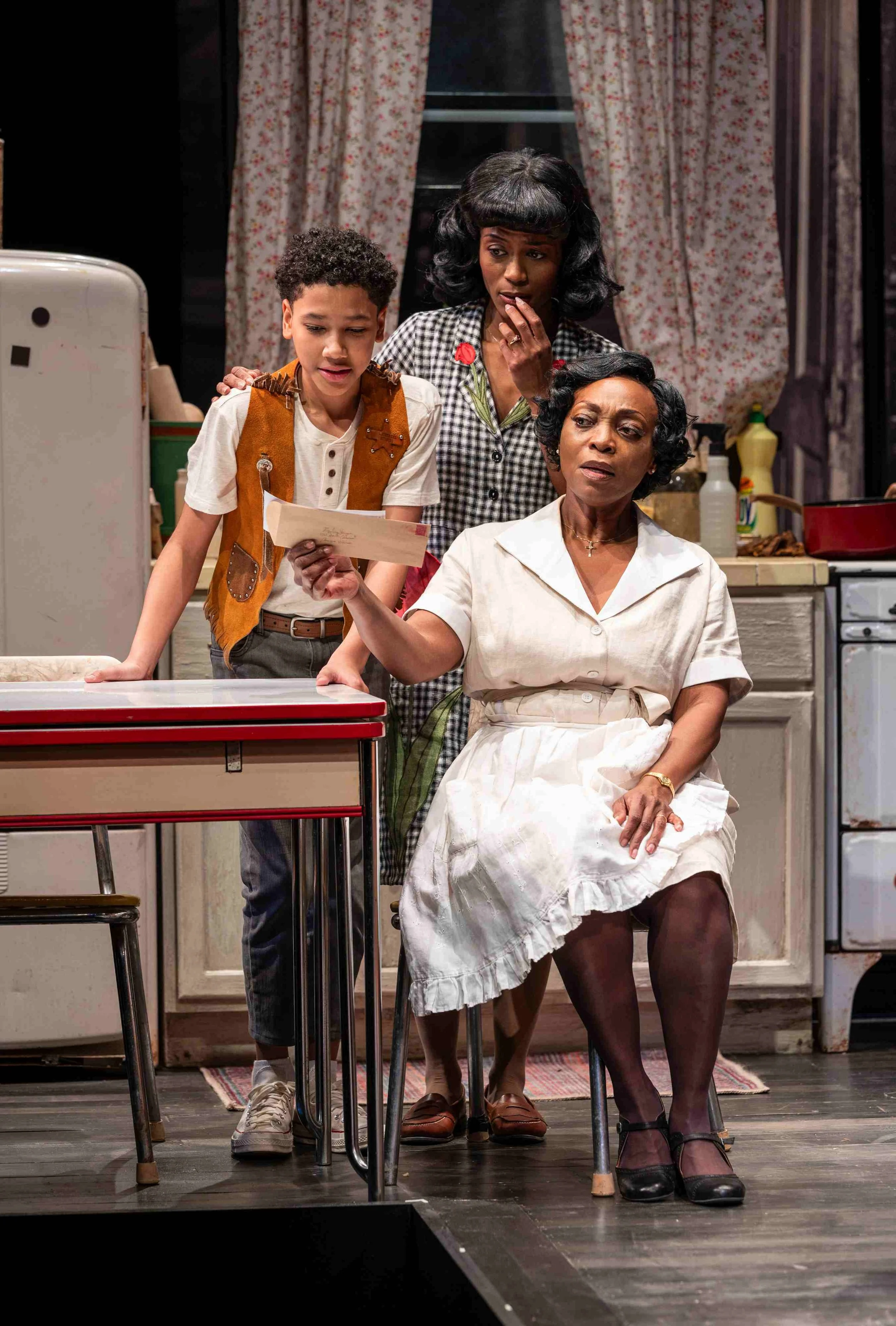
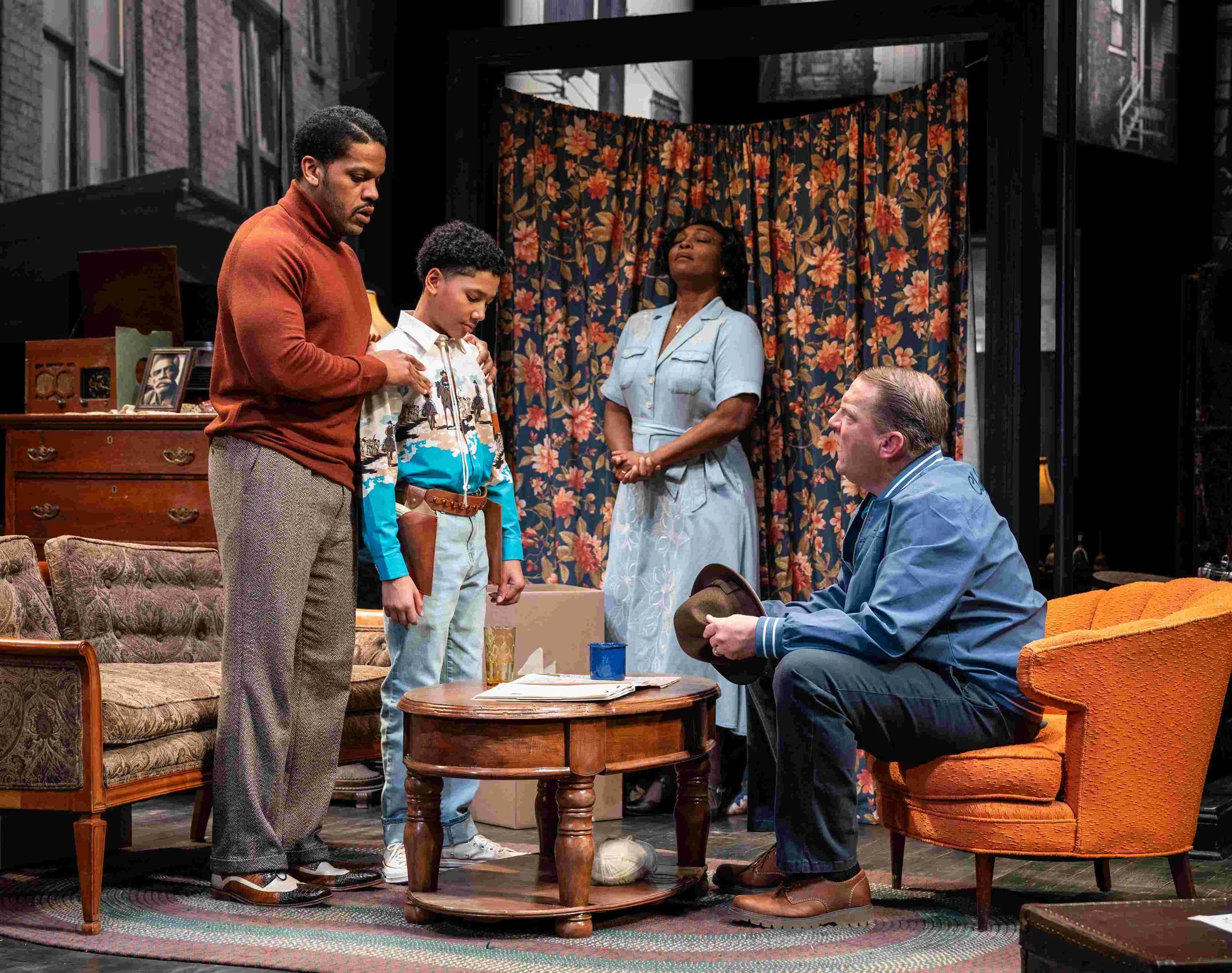
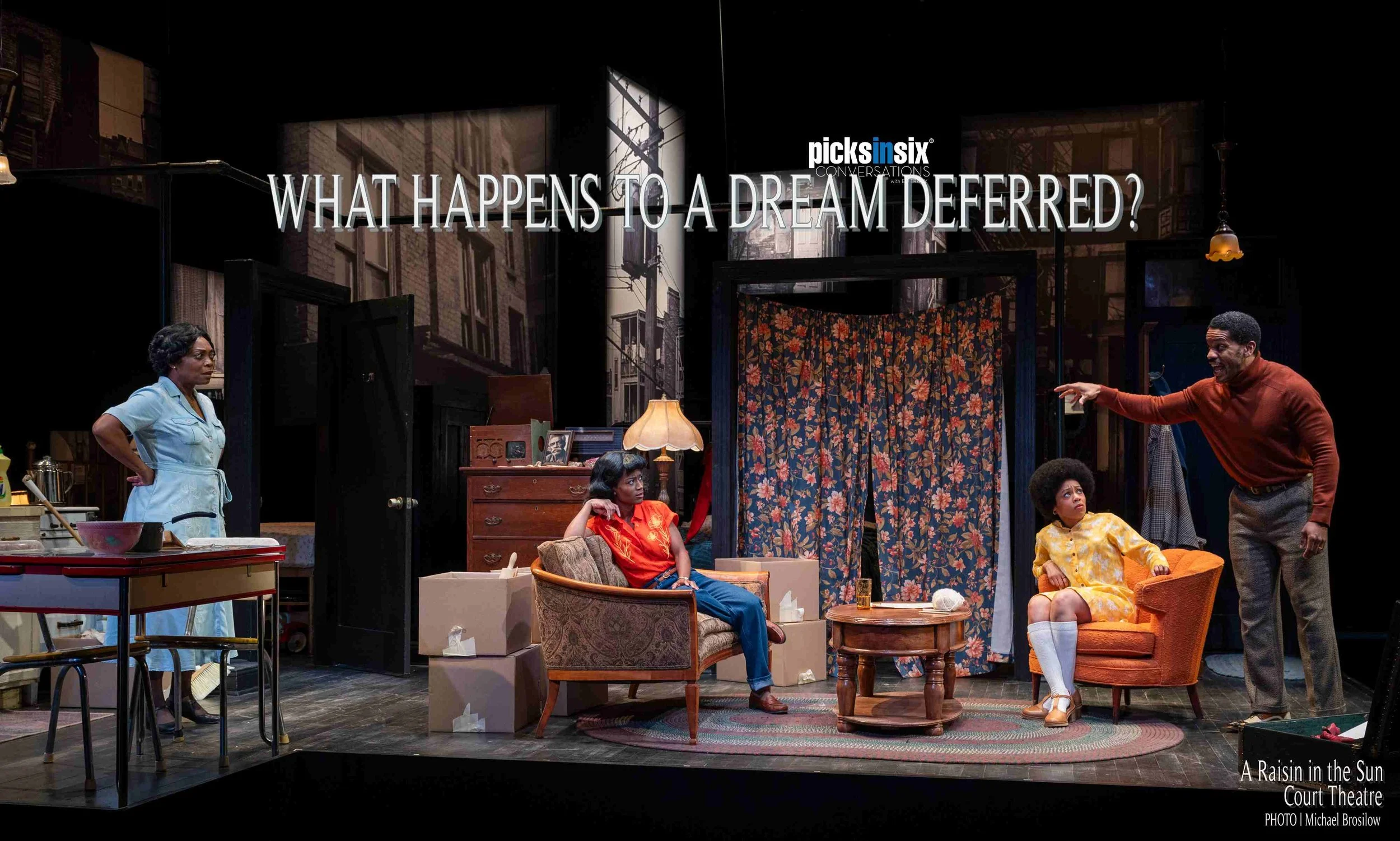
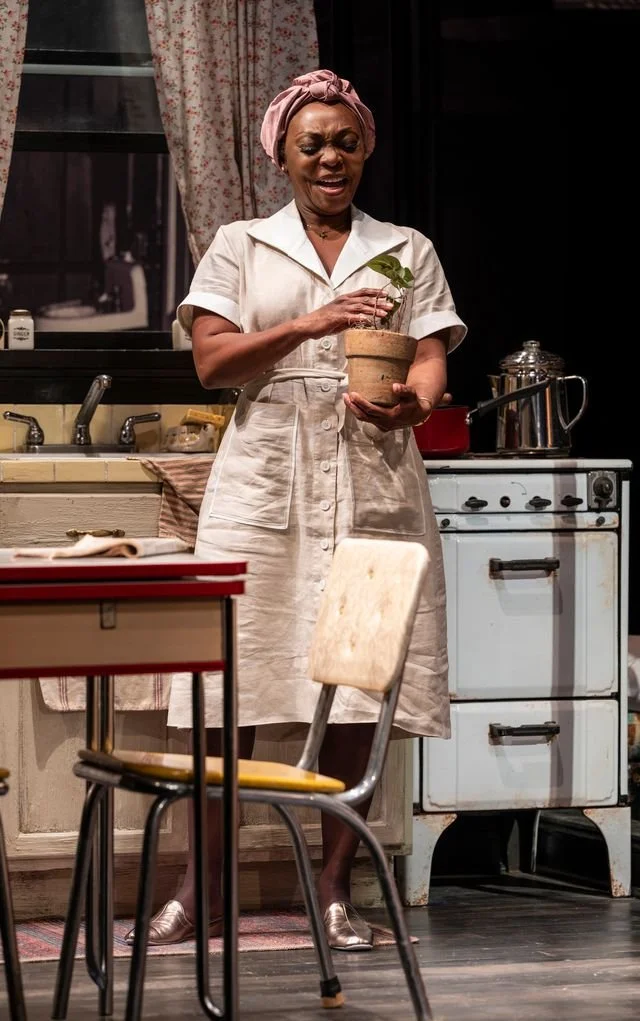
Shanésia Davis – The storyline of the classic “A Raisin in the Sun” at Court Theatre, directed by Senior Artistic Producer Gabrielle Randle-Bent, is largely based on playwright Lorraine Hansberry’s own experiences growing up on the South Side of Chicago. The brilliant company was led by the riveting performance of Shanésia Davis as Lena ‘Mama’ Younger, the matriarch of the family. Simply astounding! P6
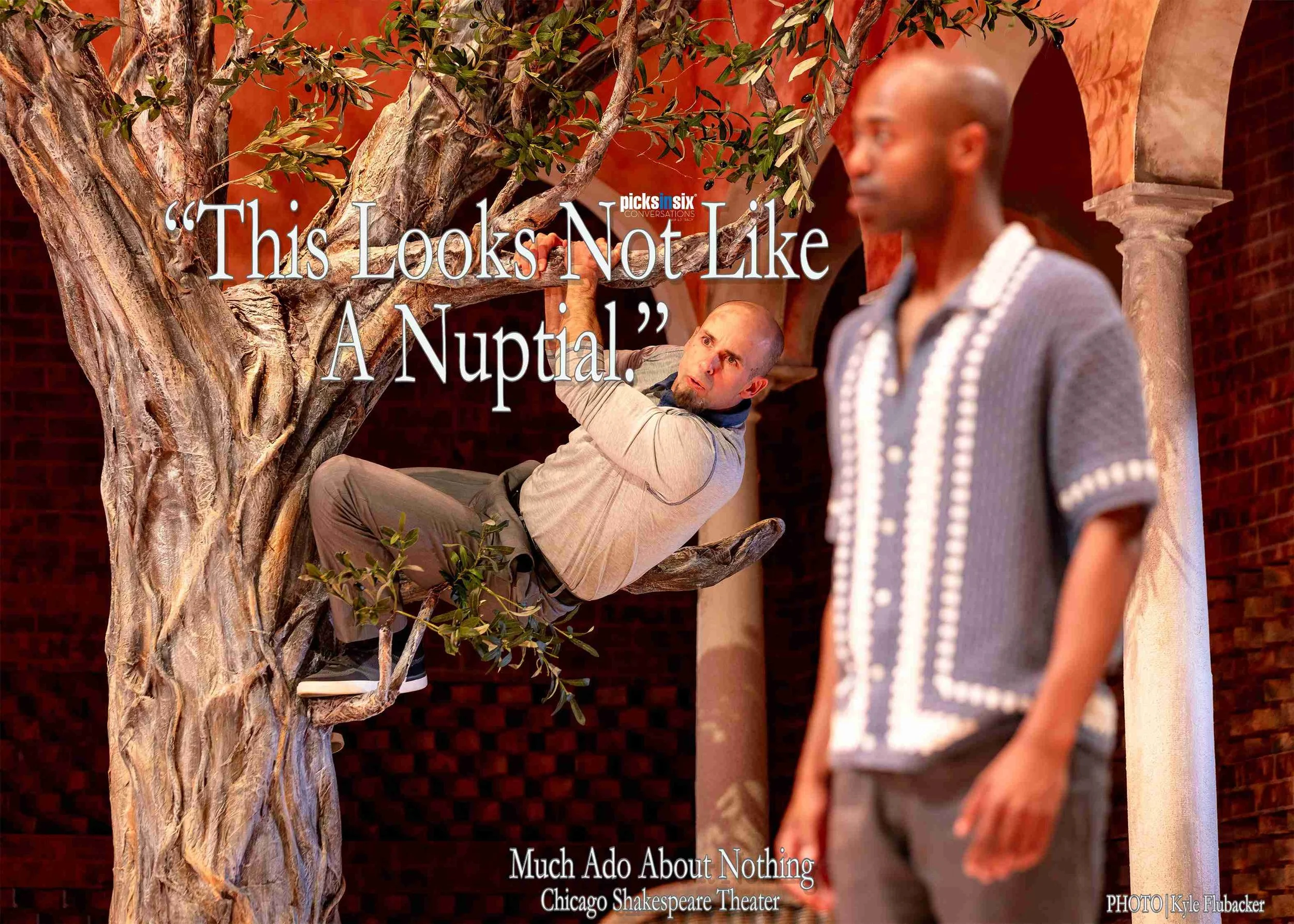
Sean Fortunato – Over the years, Sean Fortunato has expertly been reshaping dramatic, comic and musical roles on stages across the city and suburbs. This year, Fortunato shined in Marriott’s “Catch Me If You Can” but it was his inspired take on Dogberry in Chicago Shakespeare’s “Much Ado About Nothing”—which you can still see on stage there—that has elevated his comic abilities to a new level of entertainment. A tour-de-force performance! P6

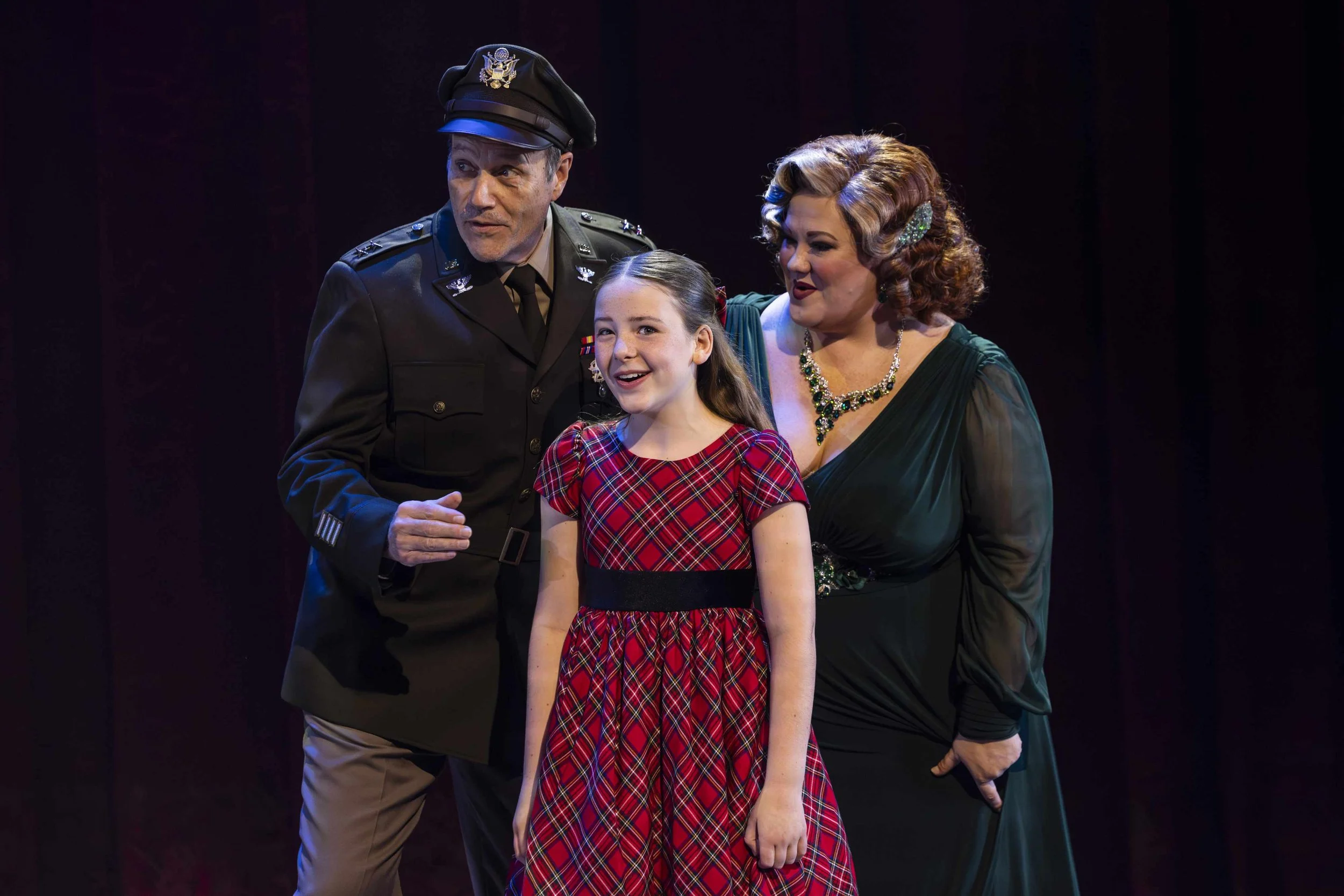
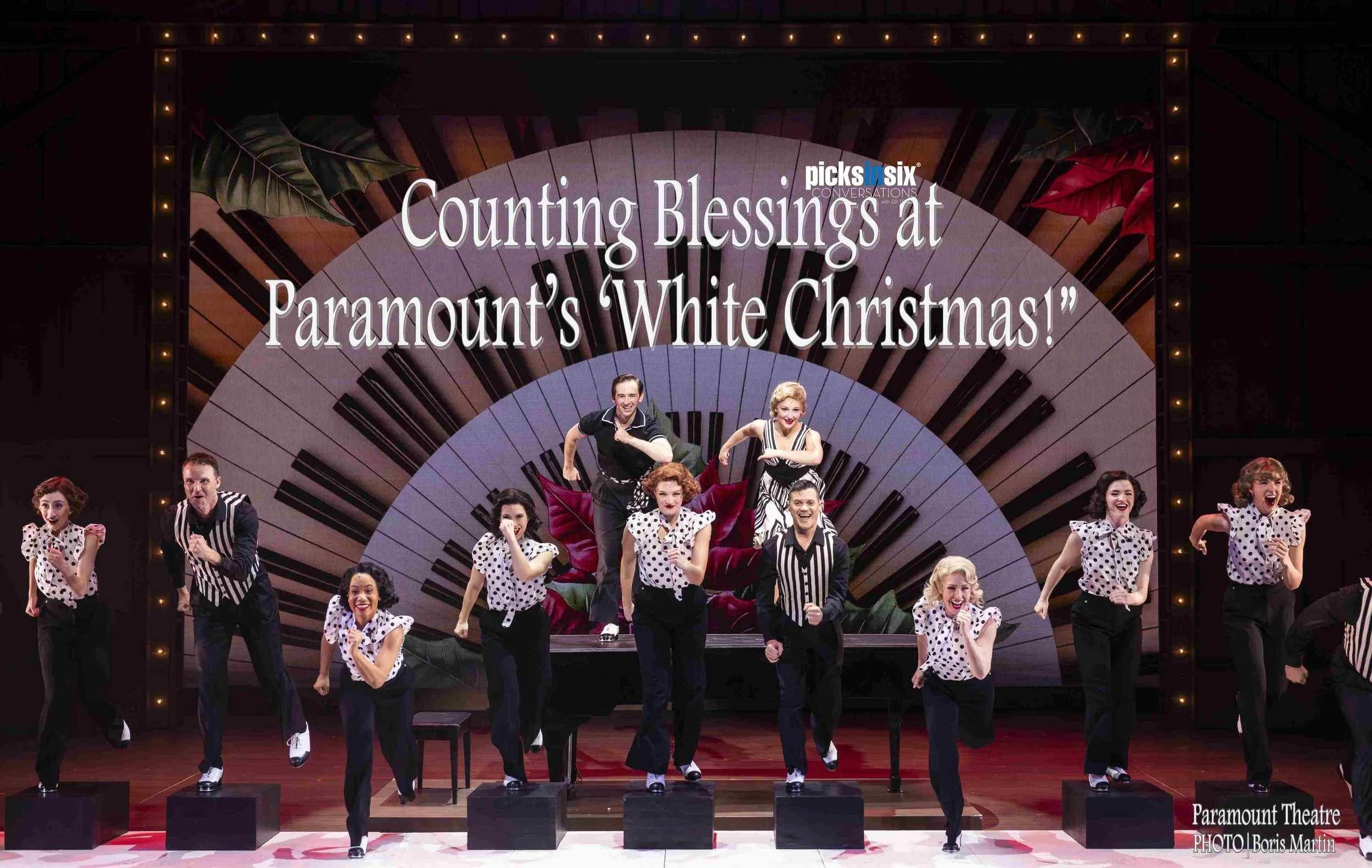
David Girolmo – For decades, working actors like David Girolmo go whenever and wherever the job sends them. Thankfully this year, we have had two opportunities to view this fine actor at work. In “Titanic” at Marriott Theatre, Girolmo’s Captain E.J. Smith was dashing, stalwart and vulnerable. Now playing in Paramount’s glorious production of “White Christmas,” Girolmo renders a commanding performance as the beloved General Waverly. A stately and superb craftsman! P6
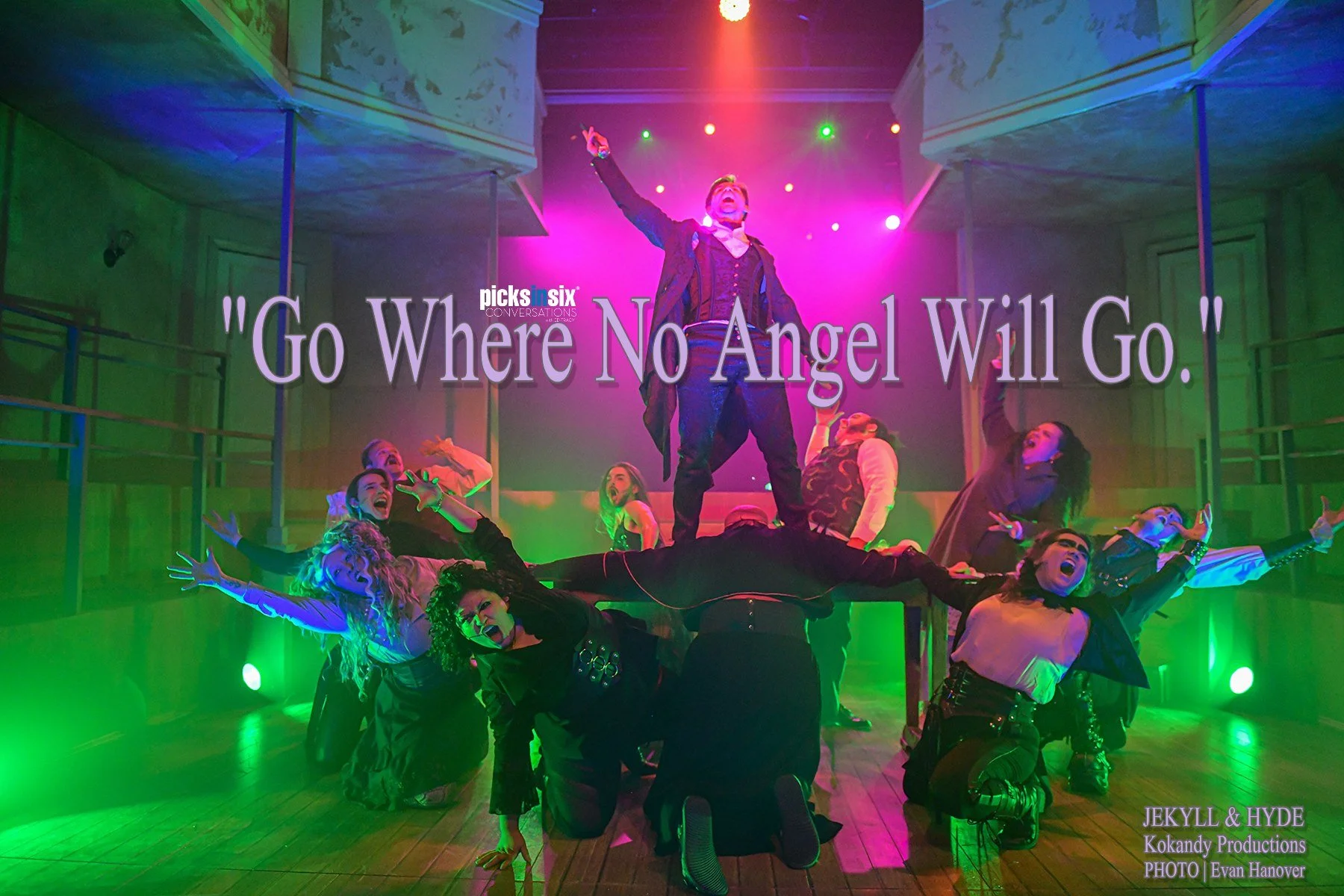
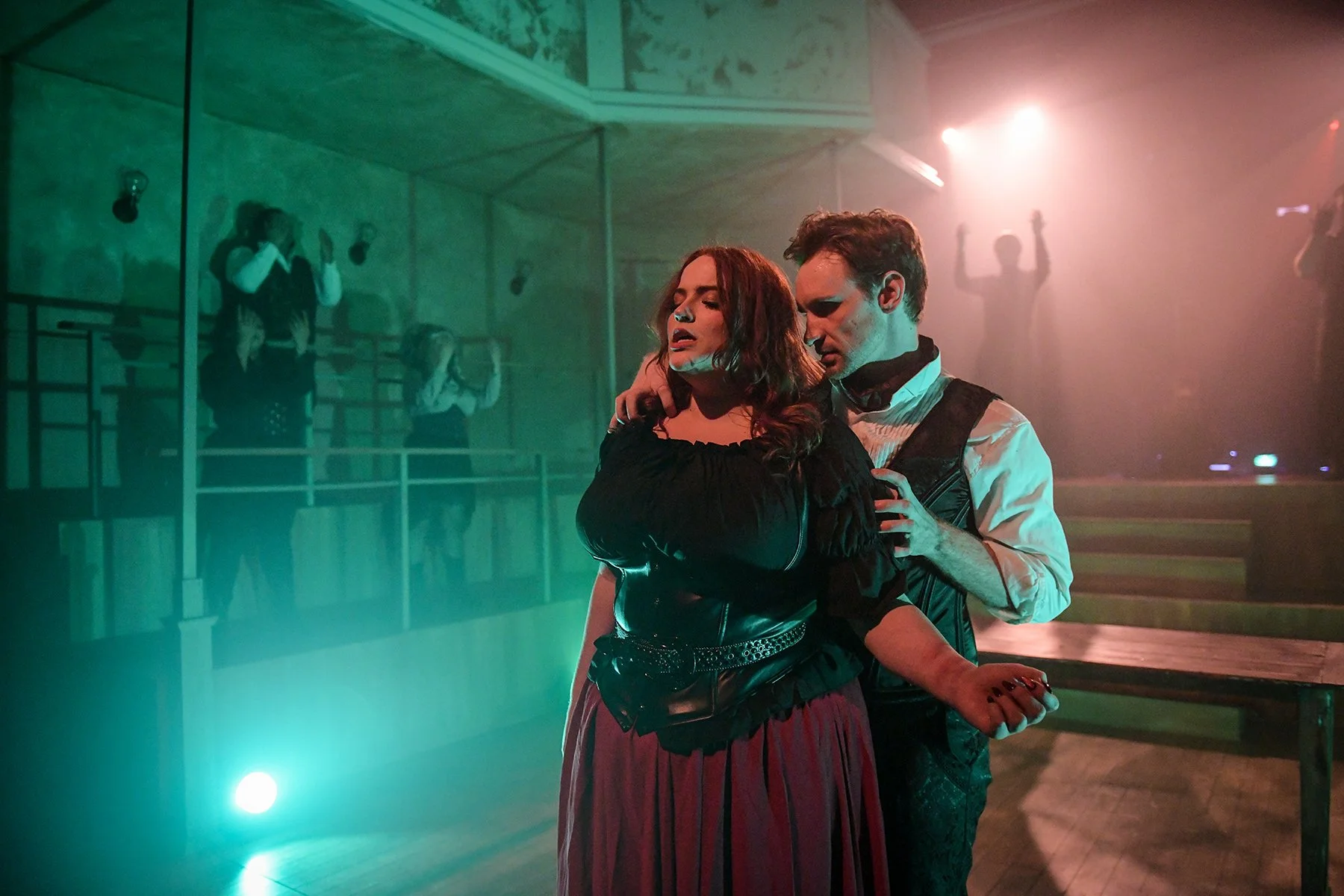
“Jeykll & Hyde” – Simply everything about Derek Van Barham’s direction of the Kokandy production at Chopin Theater was fabulous on opening night, from the soaring vocals of David Moreland, Ava Lane Stovall and Emily McCormick, Brenda Didier’s dynamic choreography, the on-stage presence of a 15-piece orchestra, and a multi-talented ensemble under the extraordinary musical direction of Nick Sula. Still playing at Chopin with limited availability. P6
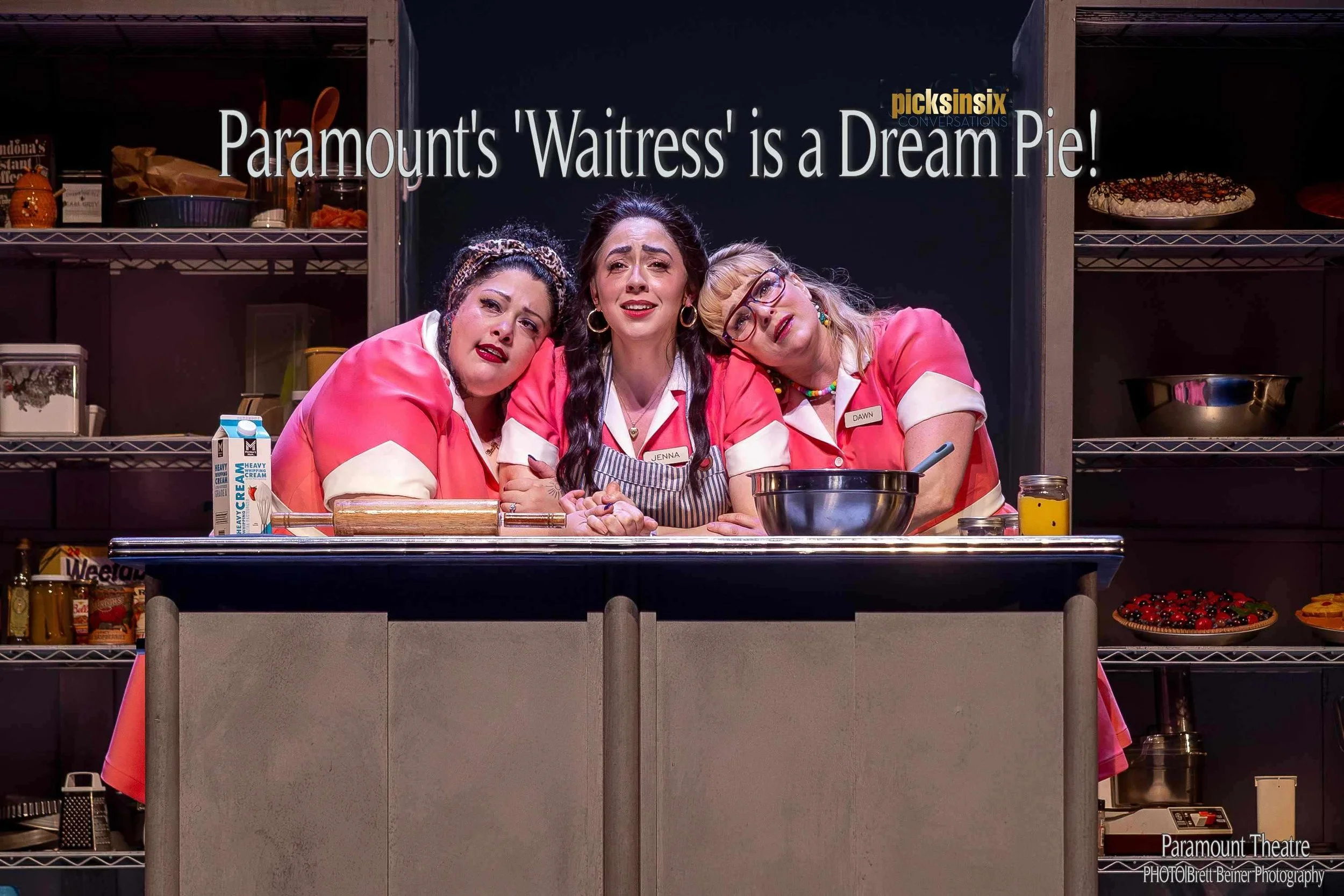
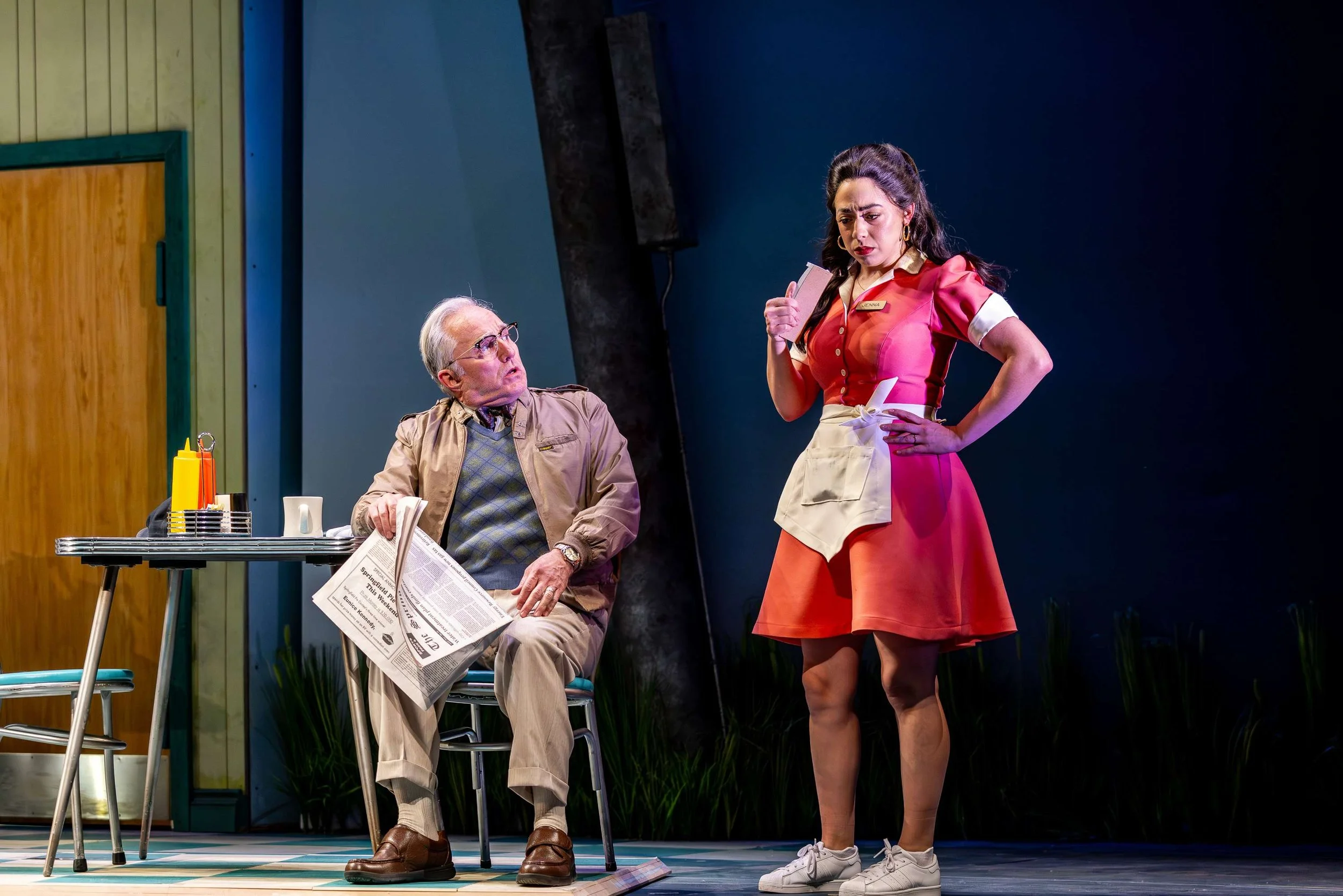
Michelle Lauto – One of our favorite shows of the year, Paramount’s “Waitress,” starred Michelle Lauto as Jenna whose transition in life plays out in a single moment of truth in Lauto’s stunning, soul-searching rendition of “She Used to Be Mine.” A stunner! P6
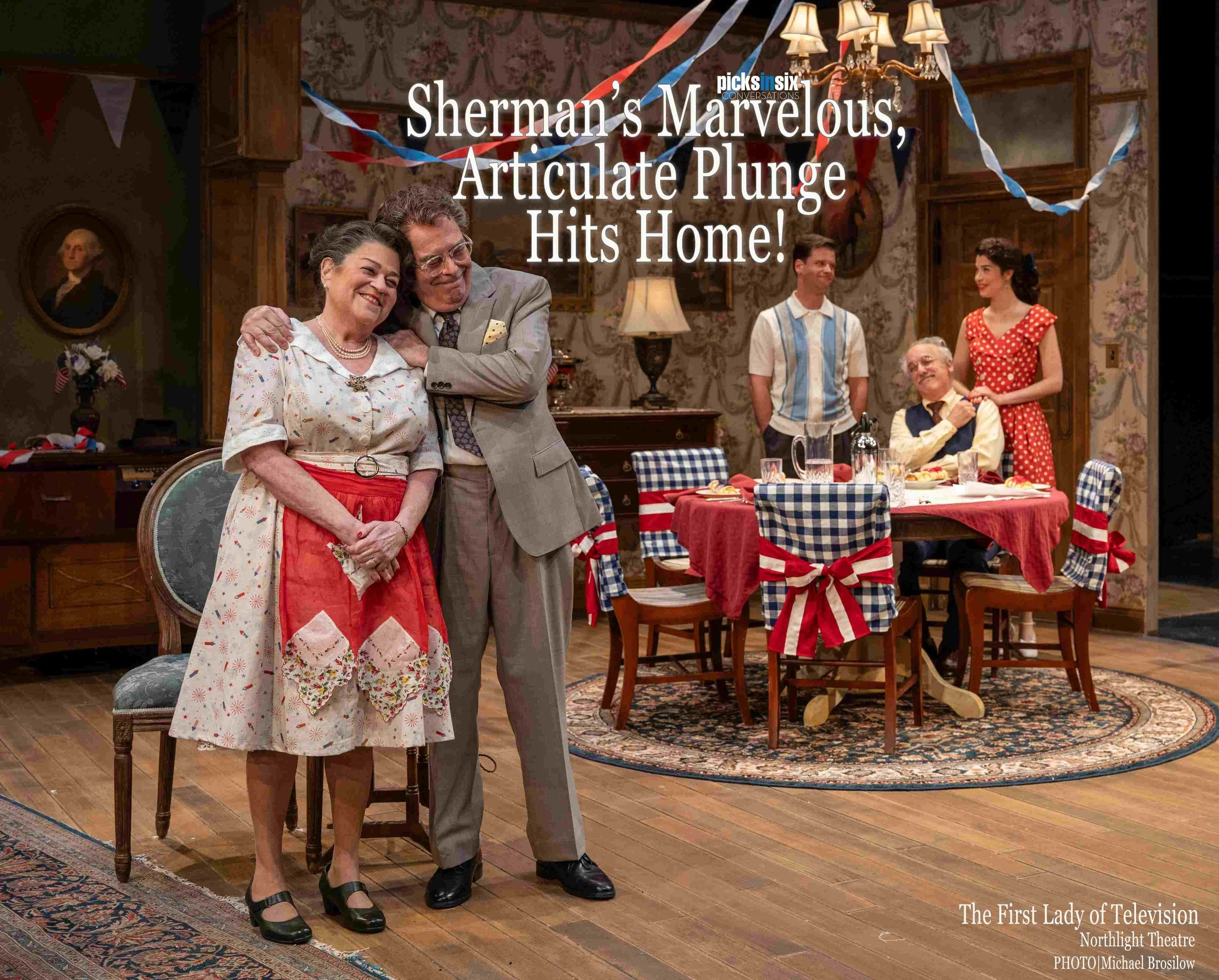
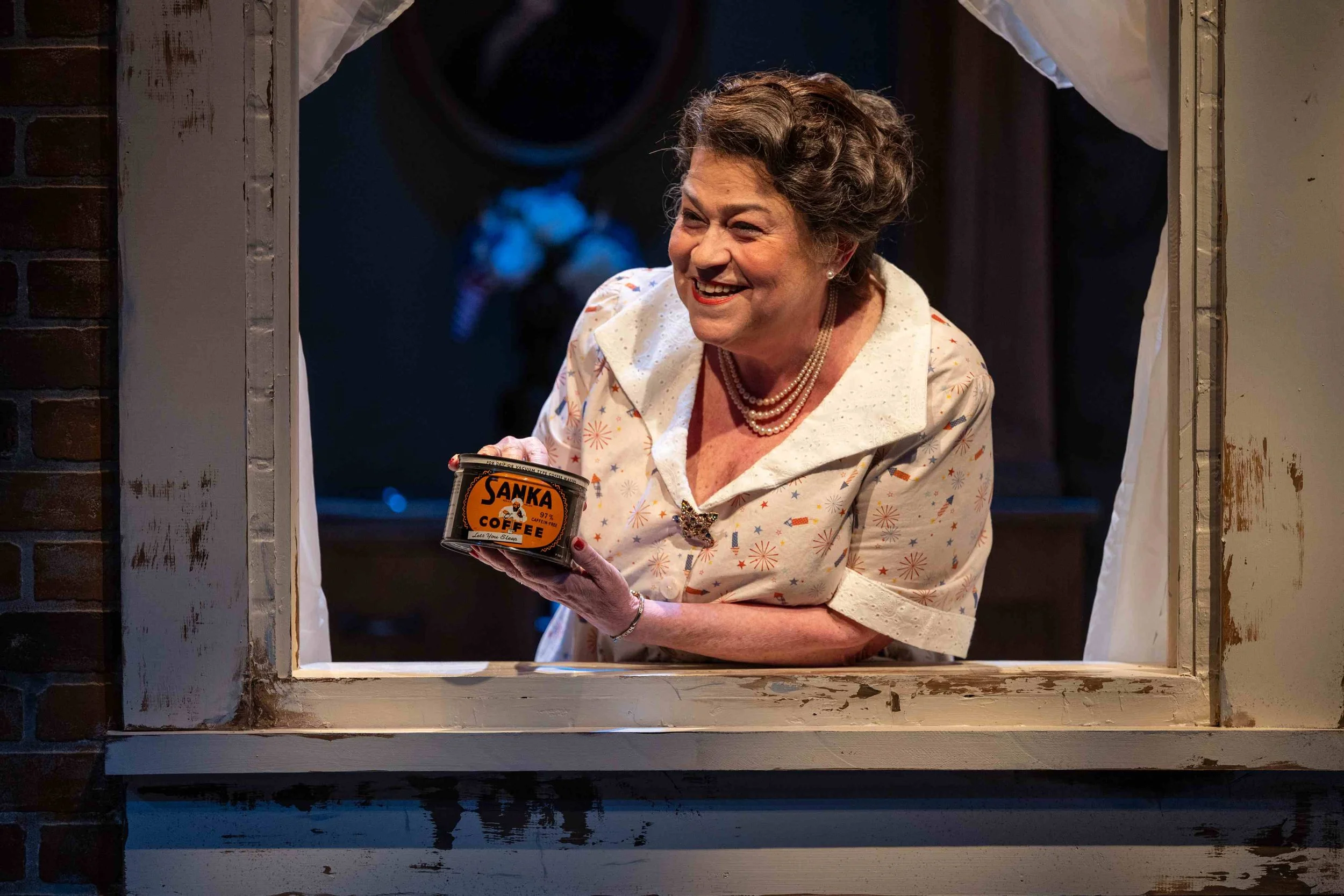
James Sherman – Ronald Keaton wrote that “First Lady of Television” is “Sherman's marvelous, articulate plunge into show business history,” with William Dick and Cindy Gold playing beautifully together. “This is an ensemble play built on purpose and earnest leanings, as playwright Sherman shows us all, despite the history we think we know, what was still good in that time and place.” P6
A very worthy final bow to:
Roberts Falls’ directorial debut of “Amadeus” at Steppenwolf and Charles Newell’s “Berlin.” Each one quite simply a masterpiece! … the captivating stage presence of Aurora Penepacker in Kokandy’s “Amélie.” More please! … the depth and experience of Francis Guinan on full display in Goodman’s “Ashland Avenue” … Phoebe Gonzalez’s bravura performance in Writers’ “As You Like It”… puppet master Jesse Mooney-Bullock’s stunning work on Marriott’s “Nemo” … exceptional scenic designers Collette Pollard (Northlight’s “Gaslight” and Marriott’s “Titanic: The Musical”) and Andrew Boyce (Court Theatre’s “A Raisin in the Sun” and Writer’s “Translations”) and a few world-class stocking stuffers: Liz Callaway:To Steve with Love, the live concert tribute to Stephen Sondheim (as seen and heard at the Studebaker Theater) … Paul Marinaro’s – Mood Ellington and Elaine Dame’s – Reminiscing. You can still order all of them in time for Christmas!
Happy Holidays!
See you on the other side of the aisle!
Ed Tracy is an award-winning television and webcast producer, author, editor and program host. A career nonprofit professional, Tracy is President of Roxbury Road Creative, LLC, a professional management company and is a licensed real estate agent with Cressy & Everett Real Estate in St. Joseph, Michigan. CONVERSATIONS|PicksInSix® reviews theatre in Chicago and throughout the Midwest. American Theatre Critics/Journalists Association
PHOTO Credits: Michael Brosilow, Brett Beiner, Joe Mazza, Todd Rosenberg, Evan Hanover, Kyle Flubacker, Justin Barbin, Boris Martin
For more reviews, visit: Theatre In Chicago
PicksInSix® is a registered trademark of Roxbury Road Creative, LLC