CONVERSATIONS with Ed Tracy

Inspire. Educate. Entertain.

CONVERSATIONS|PicksInSix®Reviews featuring short form critical reviews and podcasts with authors and influential leaders in the arts, media and business.

Filtering by Category: Chicago Premiere

PicksInSix Review: Salome - Lyric Opera of Chicago


“A Dark and Enthralling Operatic Experience”
PicksInSix® Review | Guest Contributor | Kaitlyn Linsner

Richard Strauss’s “Salome” premiered in Chicago in 1910 and caused such uproar that after two performances, the opera was moved to Milwaukee. Soprano Mary Garden starred in the title role with a portrayal of the unsettling teenage princess that the president of the Chicago Law and Order League called “disgusting” in a letter to the Chief of Police. What a scandalous and iconic debut.

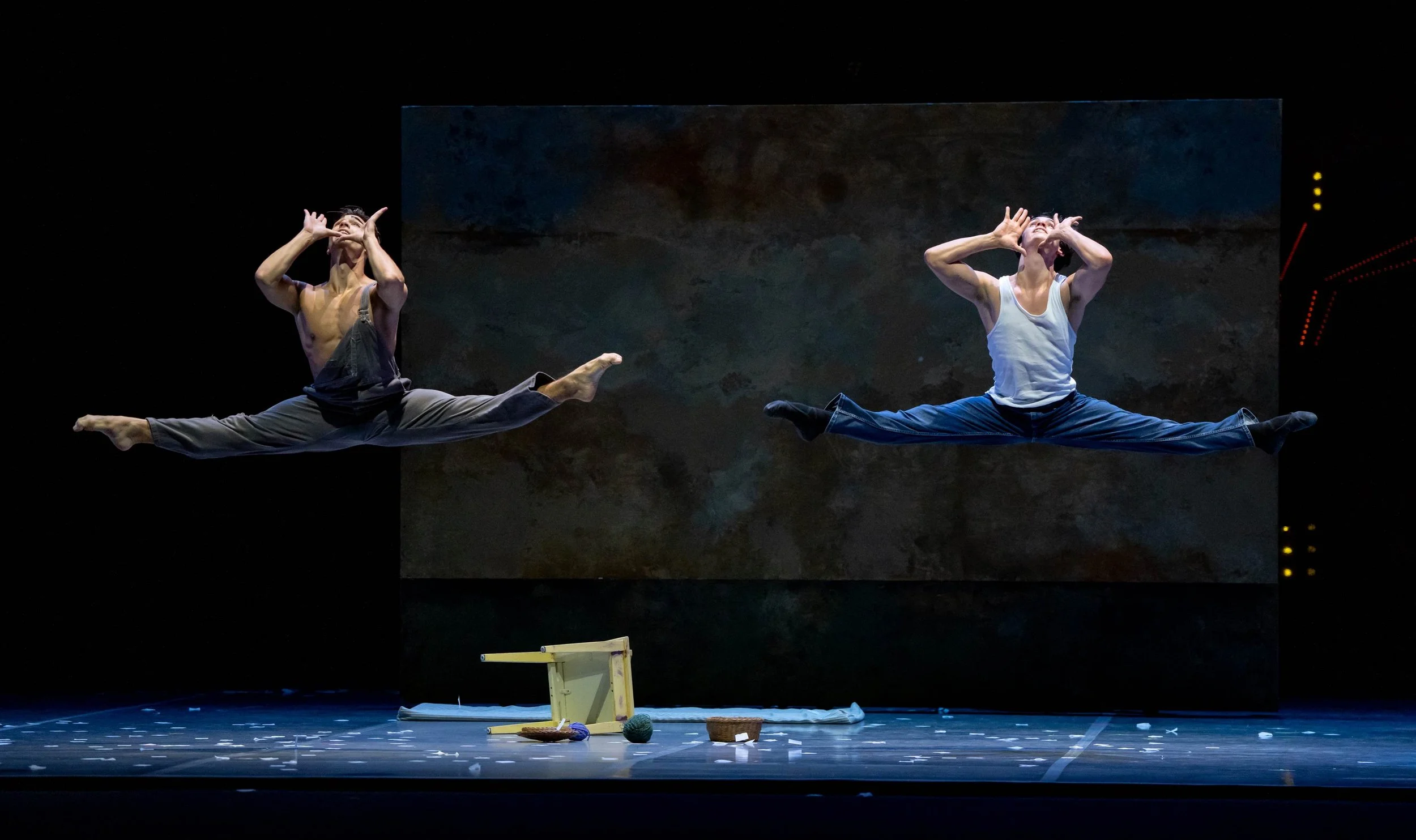
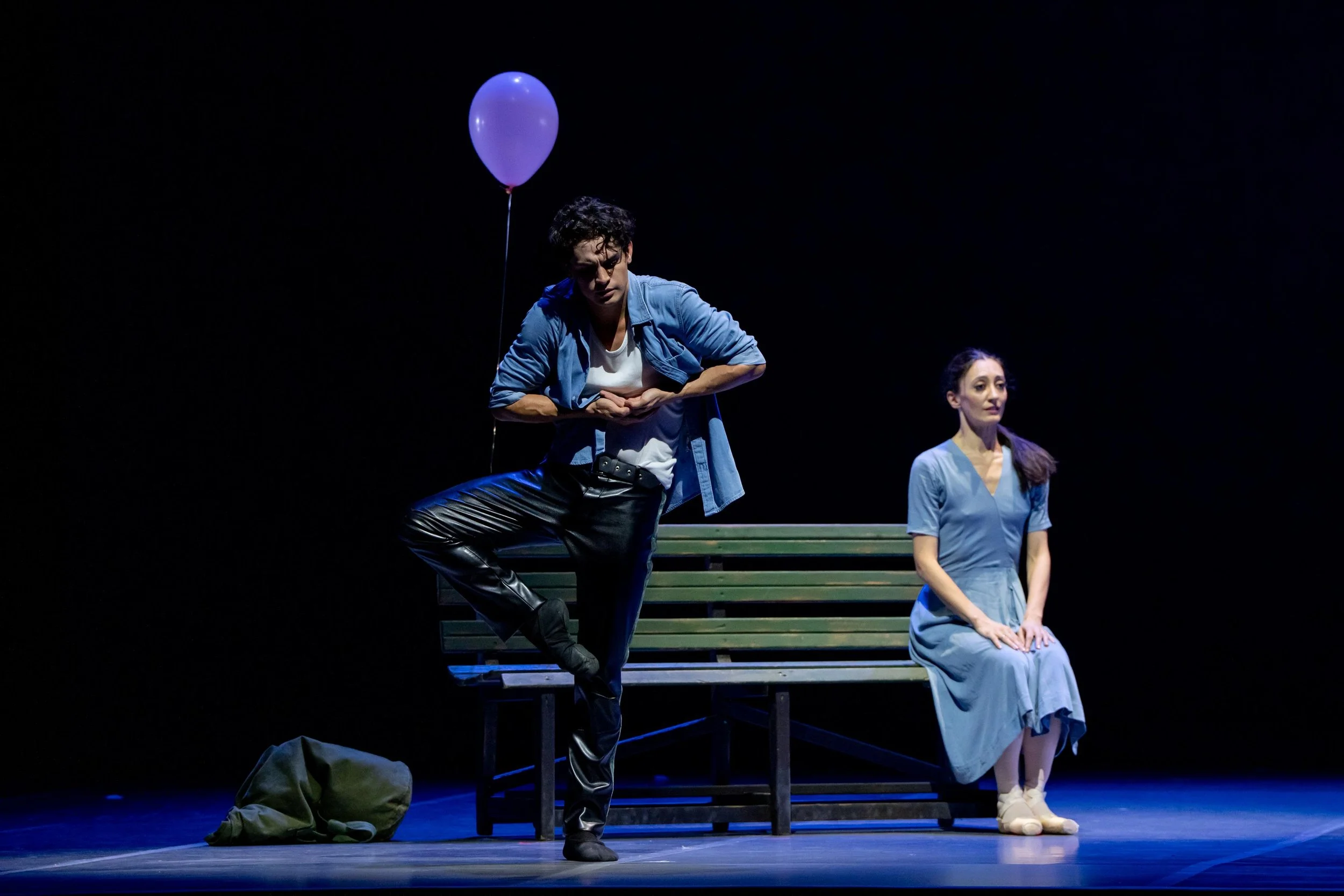
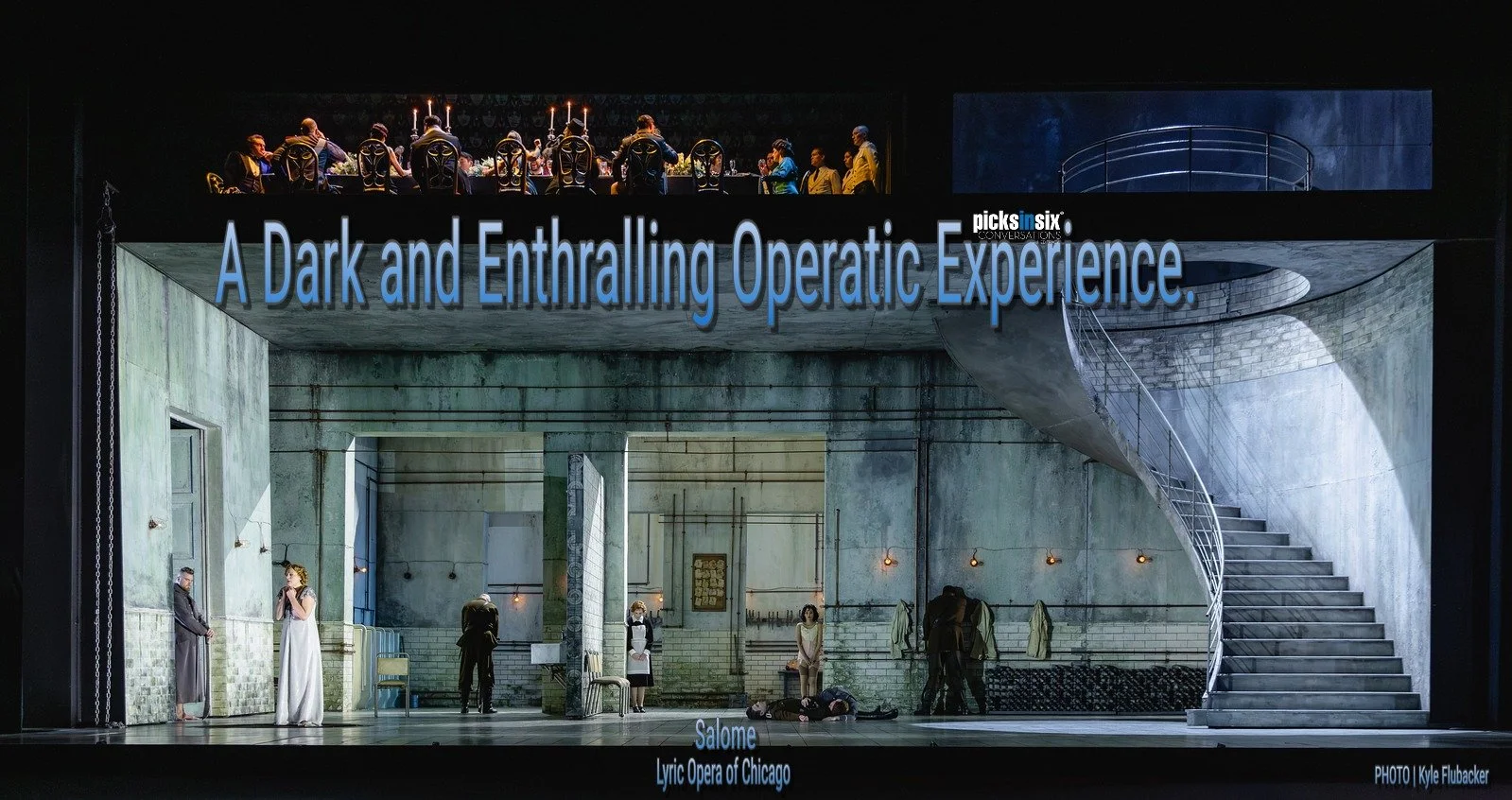
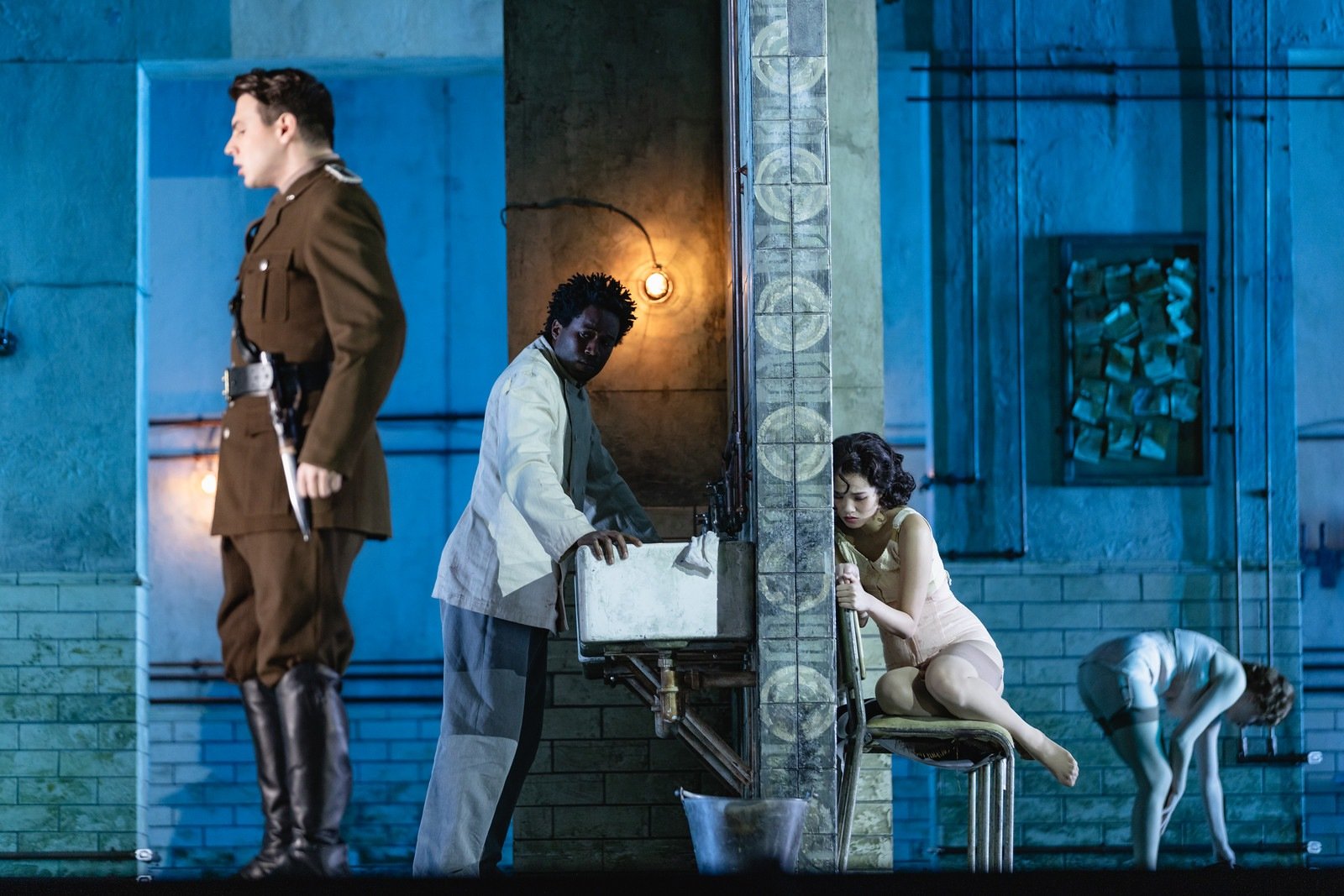
Now, after a twenty-year absence, “Salome” returns to the Lyric Opera of Chicago as provocative as ever. This North American premiere of Sir David McVicar’s production, directed by Julia Burbach, examines greed, lust, delusion, and obsession against a brutalist, raw concrete backdrop in 1930s fascist Italy. This production also marks my very first experience at the opera. What a thrilling and delightfully gory introduction to the art form.

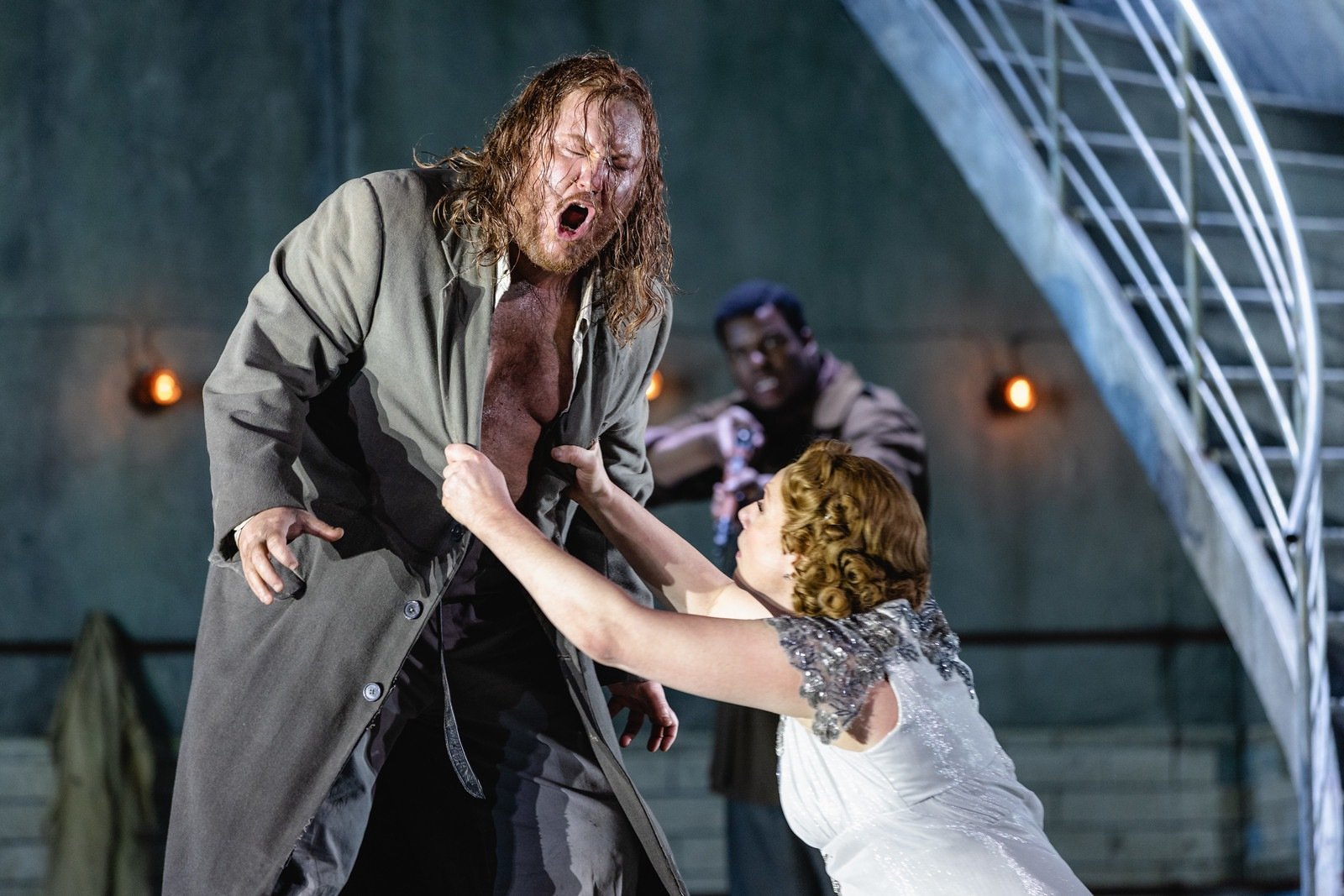
Based on Oscar Wilde’s one-act play, “Salome” beautifully captures a dark world of limitless power and entitlement. Salome (Jennifer Holloway) leaves a lavish dinner party to escape the lustful and predatory gaze of her stepfather Herod (Alex Boyer). She then discovers the mesmerizing voice of Jochanaan (Nicholas Brownlee) imprisoned below the basement and demands to see him. Salome convinces Narraboth (Ryan Capozzo), a man utterly infatuated with her, to release the prophet momentarily so she can promptly appease her fascinations. Feelings escalate for Salome, and she quickly descends into a ravenous obsession with Jochanaan which drives an unrelenting pursuit of his adoration and affection. Jochanaan, however, denies every single one of her advances. He remains steadfast in his repulsion, curses Salome, curses her mother, and then returns to the prison.

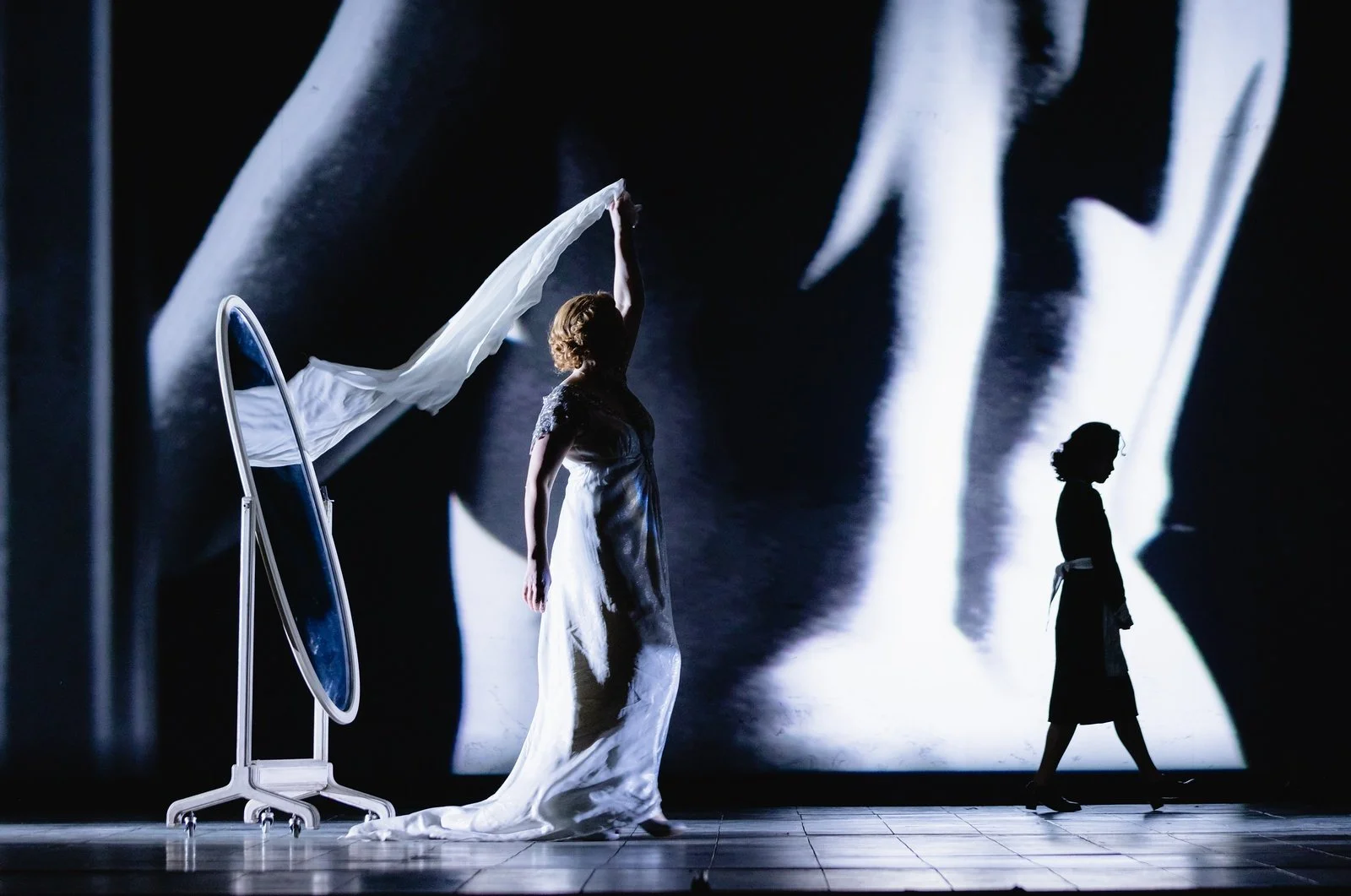
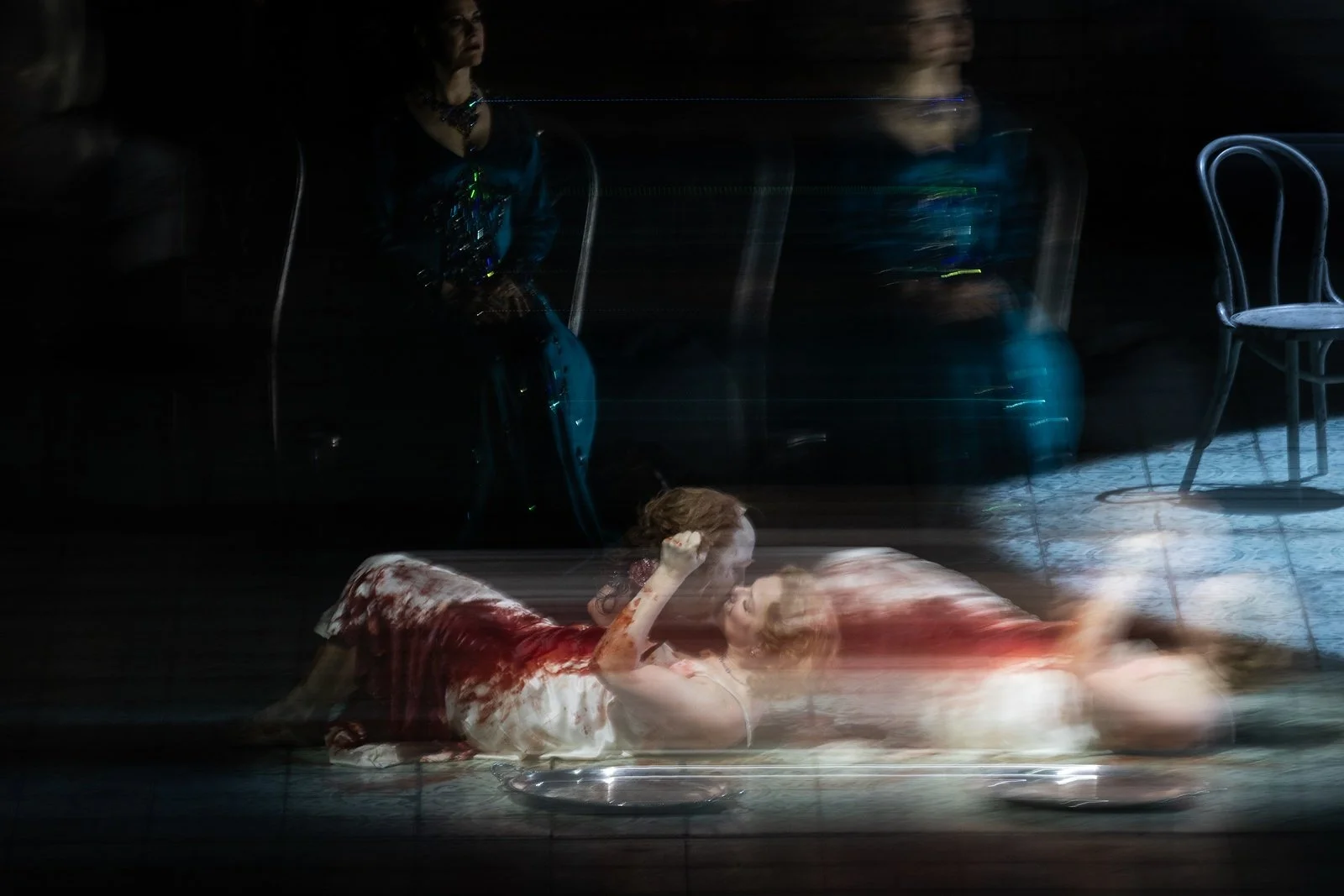
Following this haunting display, and brilliant vocal performance, of Salome’s desperation and the prophet’s rejection, Herod, Salome’s mother Herodias (Tanja Ariane Baumgartner) and the dinner guests enter the basement for more madness. Jochanaan continues his misogynistic railing against Herodias from the cistern. Dinner guests argue over theology. The powerful orchestra under Tomáš Netopil delivers drama and extravagance. Herod remains fixated on Salome and promises her anything she wants if she dances for him. Despite her mother’s protests, Salome accepts the offer and the infamous “Dance of the Seven Veils” begins. In this staging, Salome performs the dance for her stepfather with hesitation. She struggles with the power she yields over Herod, and the brooding set design (Es Devlin and revival lighting design by Chris Maravich) creates an undertone of distress, not eroticism. As they move through the changing environments, we too experience her inner turmoil, and for those who chose not to read the synopsis beforehand like myself, we wonder which of Salome’s desires pushes her to undergo such deep and twisted pain.

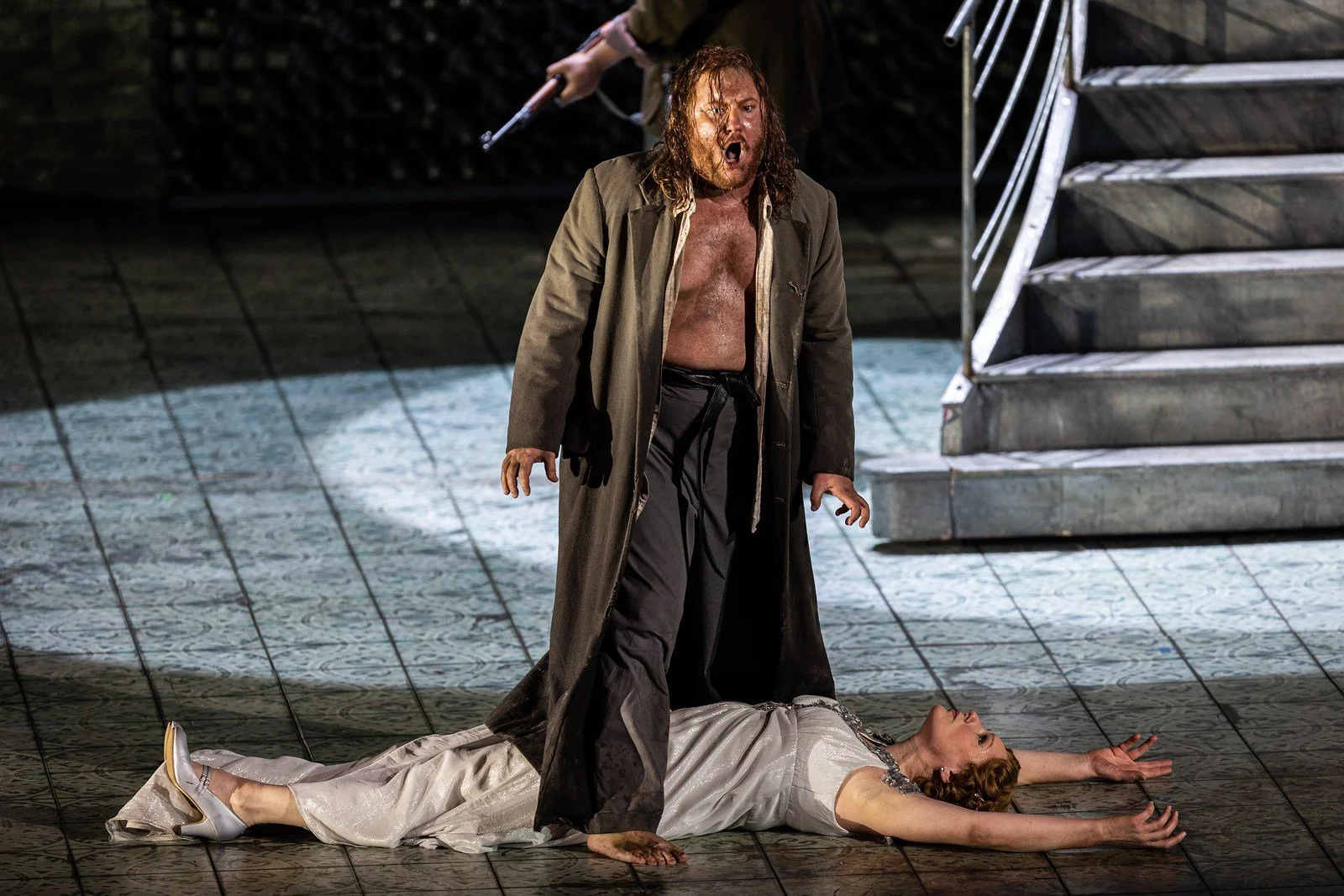
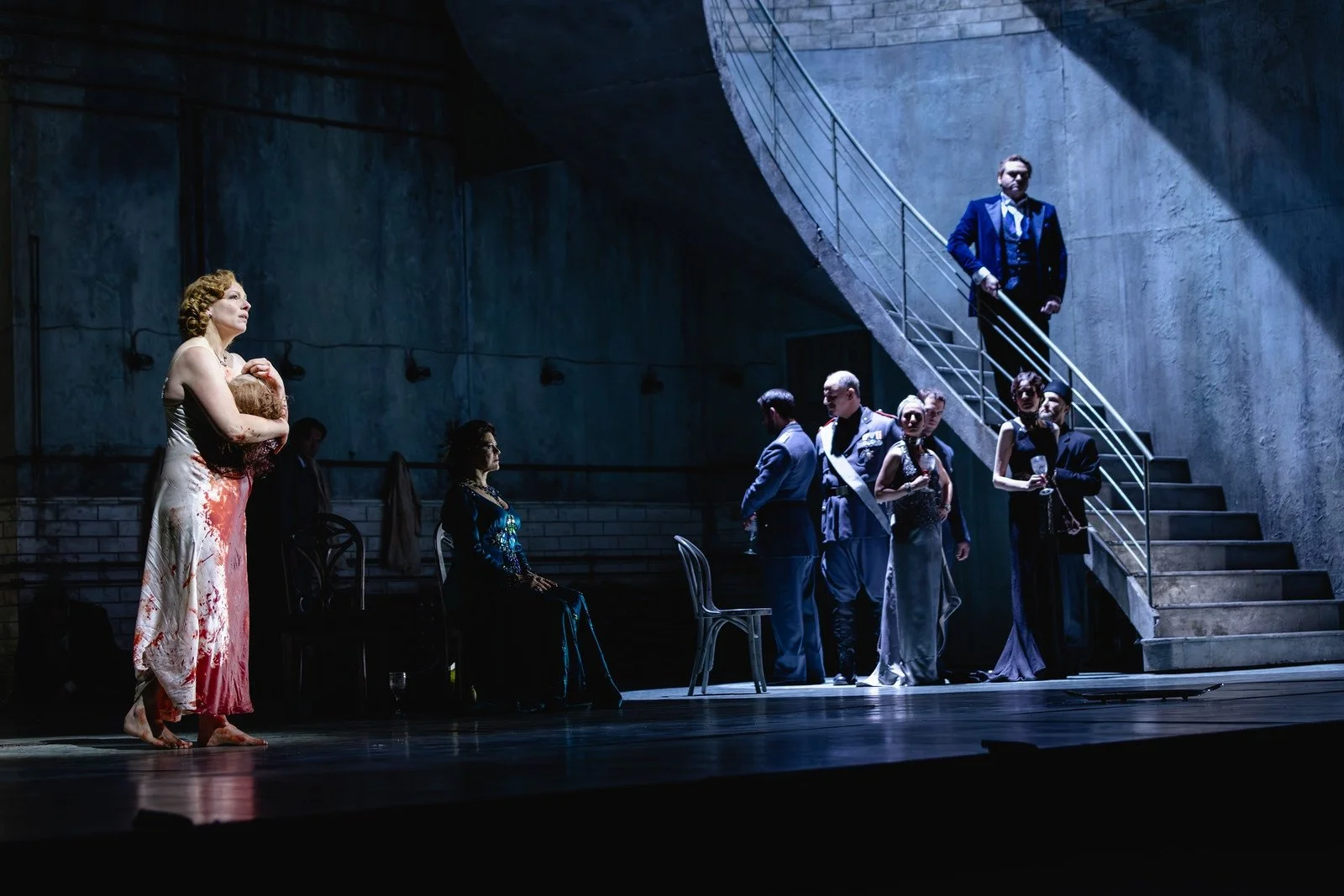
Is it love? Surely love cannot be what drives Salome to demand the prophet’s head on a silver platter in exchange for her dance. But what is love in a palace of egomania? To have? To hold? Herod offers Salome jewels, royalty, land, anything else, and yet, all Salome wants is the head of a man who denied her—the “scarlet viper” tongue that “spat its venom” upon her. She gets his head, of course, delivered by a naked executioner no less, and then begins a mesmerizing near 17-minute monologue completely detached from reality. Covered in his blood, she lays with Jochanaan’s head, toggling between boasting about how she can kiss him now and lamenting over how he still will not return her gaze. Holloway’s commanding, all-consuming performance and the shocking conclusion left me stunned in the best way.

Between the dark story, history, powerful vocalists, cold and jarring staging, and dramatic score, I have not seen anything quite like “Salome.” The production works well as an introduction to opera while also showcasing the high-level vocal artistry, raw emotion, beautiful music, and an epic set design that I am told veteran opera-goers love. I feel compelled to express my gratitude to the Lyric, the production team, and the company for this memorable experience. Brava! Bravo! Well done!

GUEST CONTRIBUTOR | KAITLYN LINSNER serves as an Assistant Attorney General in the Public Utilities Bureau of the Office of the Illinois Attorney General.

PHOTO CREDIT
Kyle Flubacker
Andrew Cioffi

Lyric Opera of Chicago
presents
Salome
20 North Wacker Drive
through February 14, 2026


TICKETS

WEBSITE

PROGRAM BOOK

For more reviews, visit: Theatre In Chicago

ARCHIVE

PicksInSix® is a registered trademark of Roxbury Road Creative, LLC
PicksInSix Review: Birds of North America - A Red Orchid Theatre


The Father-Daughter Emotional Field Guide.
PicksInSix® Review | Guest Contributor | Sarah Frances Fiorello

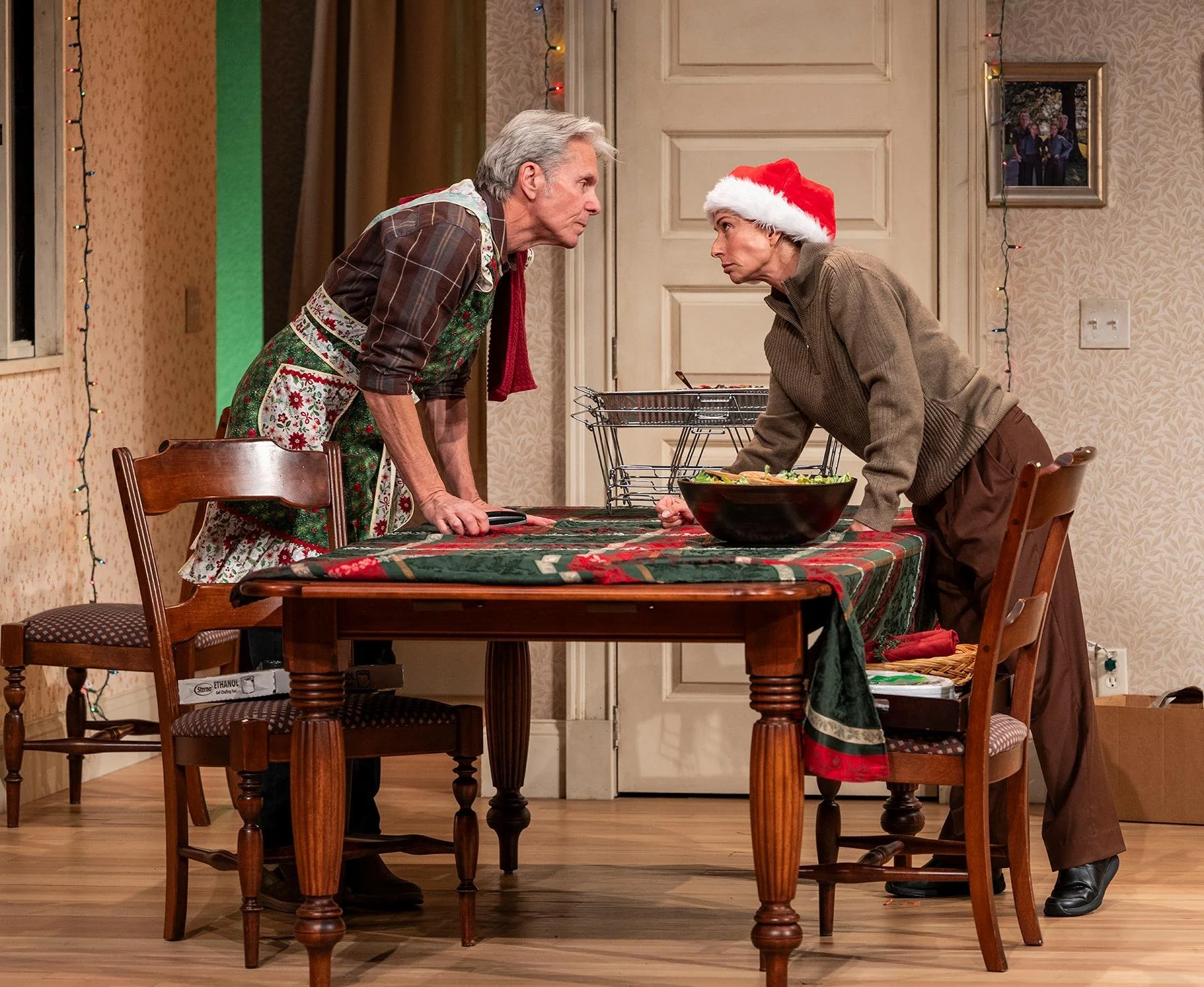
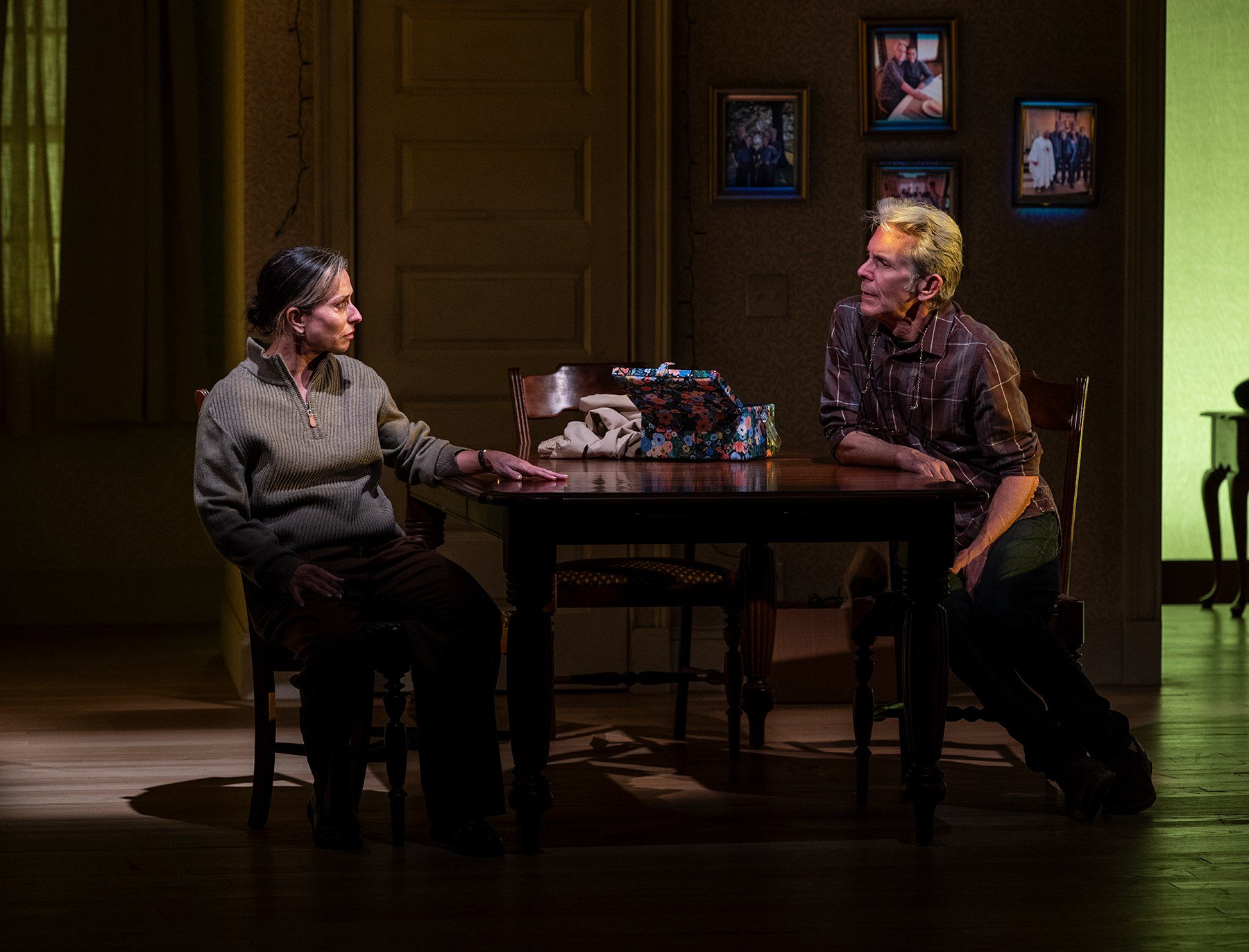
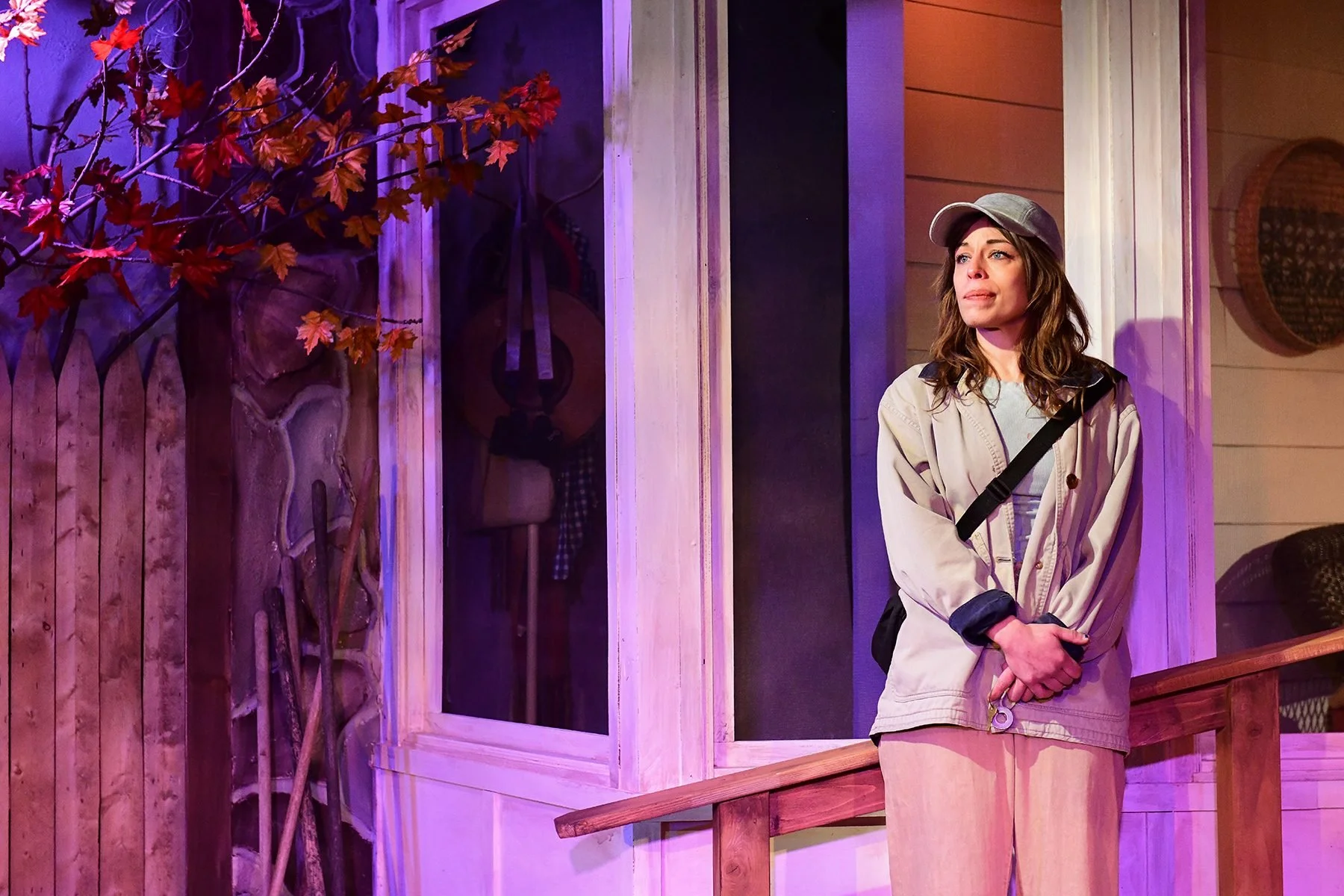
Nestled snugly in their intimate Old Town storefront performance space, A Red Orchid Theatre is lighting a slow, smoldering fire of generational drama with the Chicago Premiere of “Birds of North America” set to warm the coldest of Chicago winter nights.

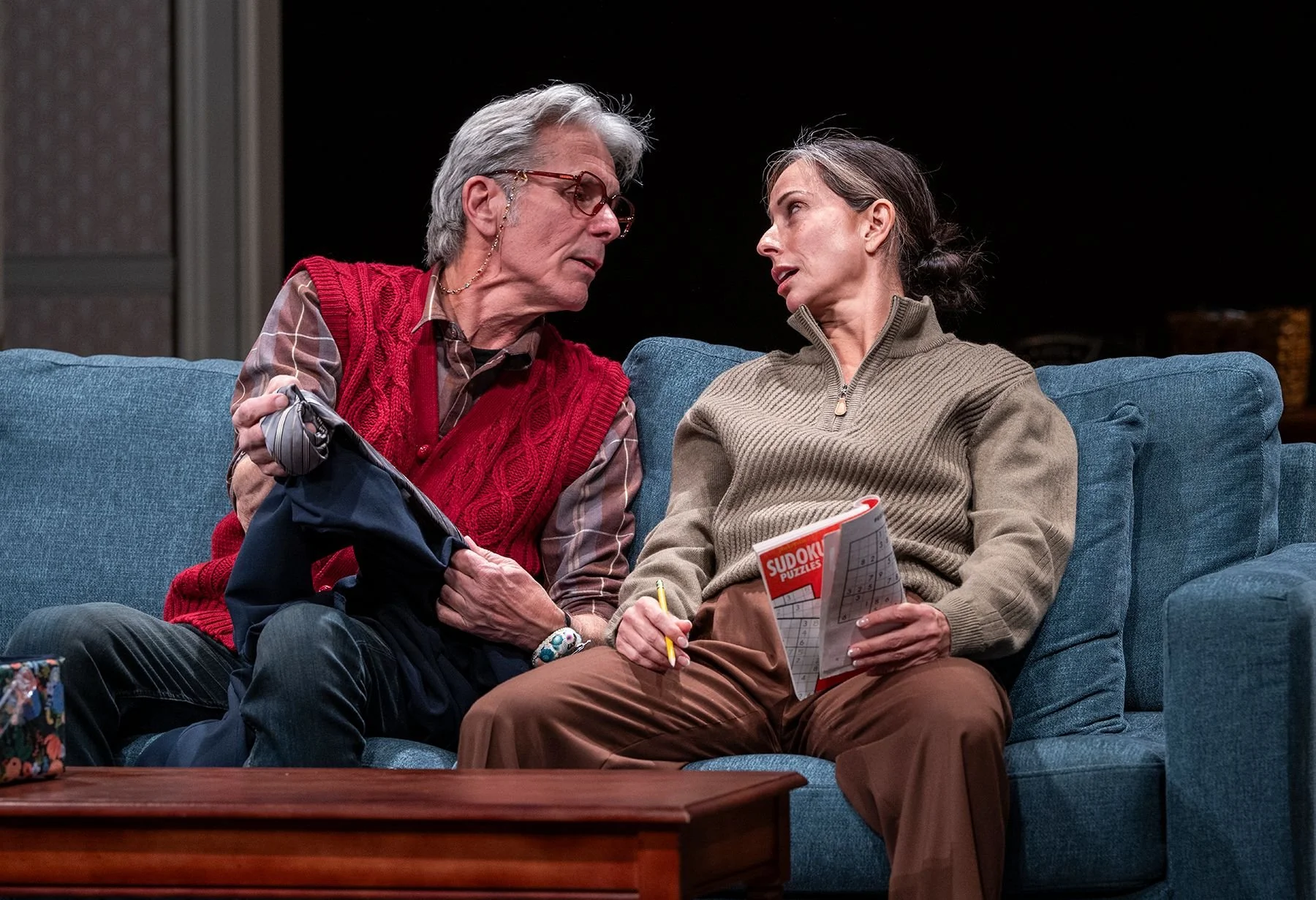
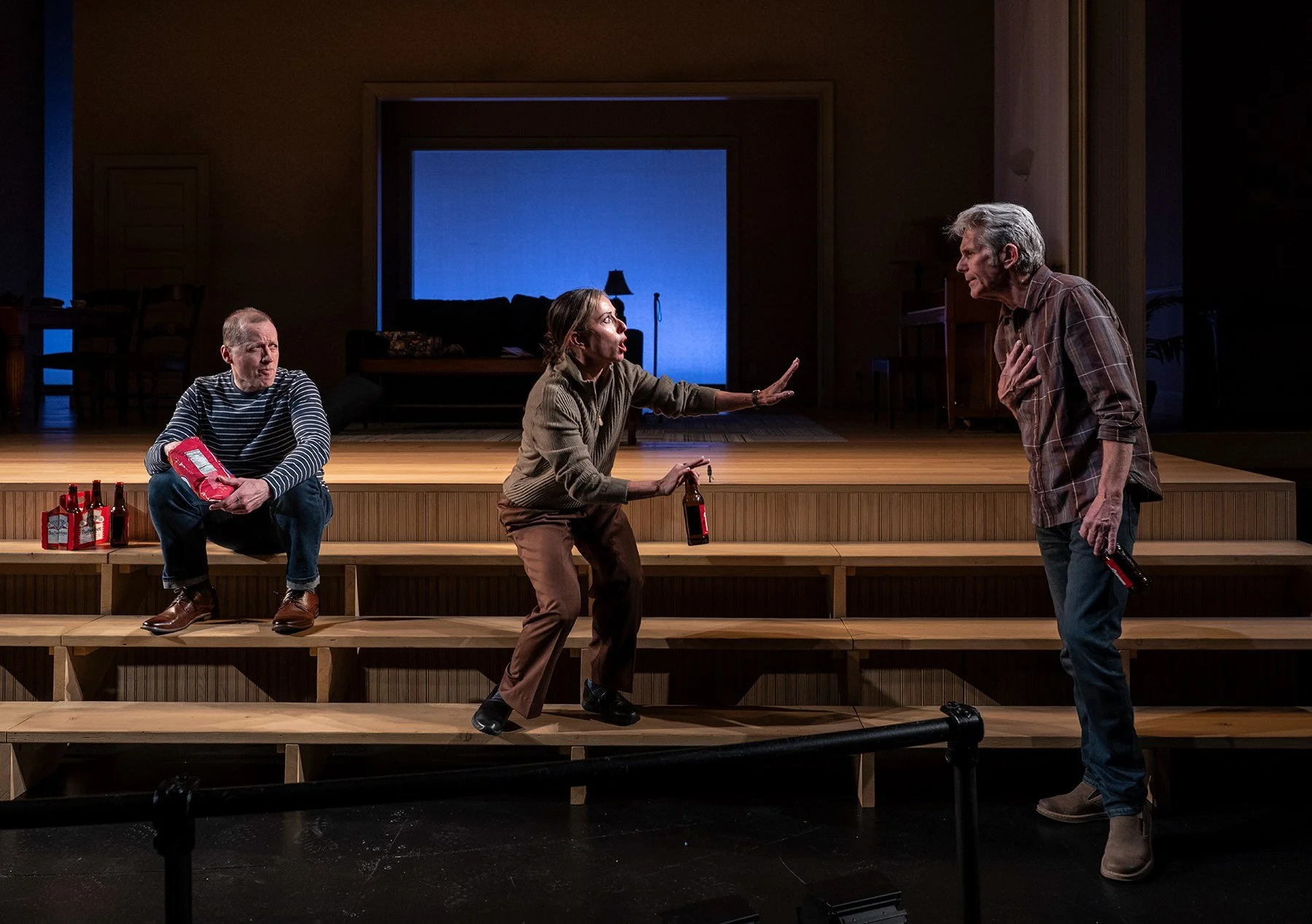
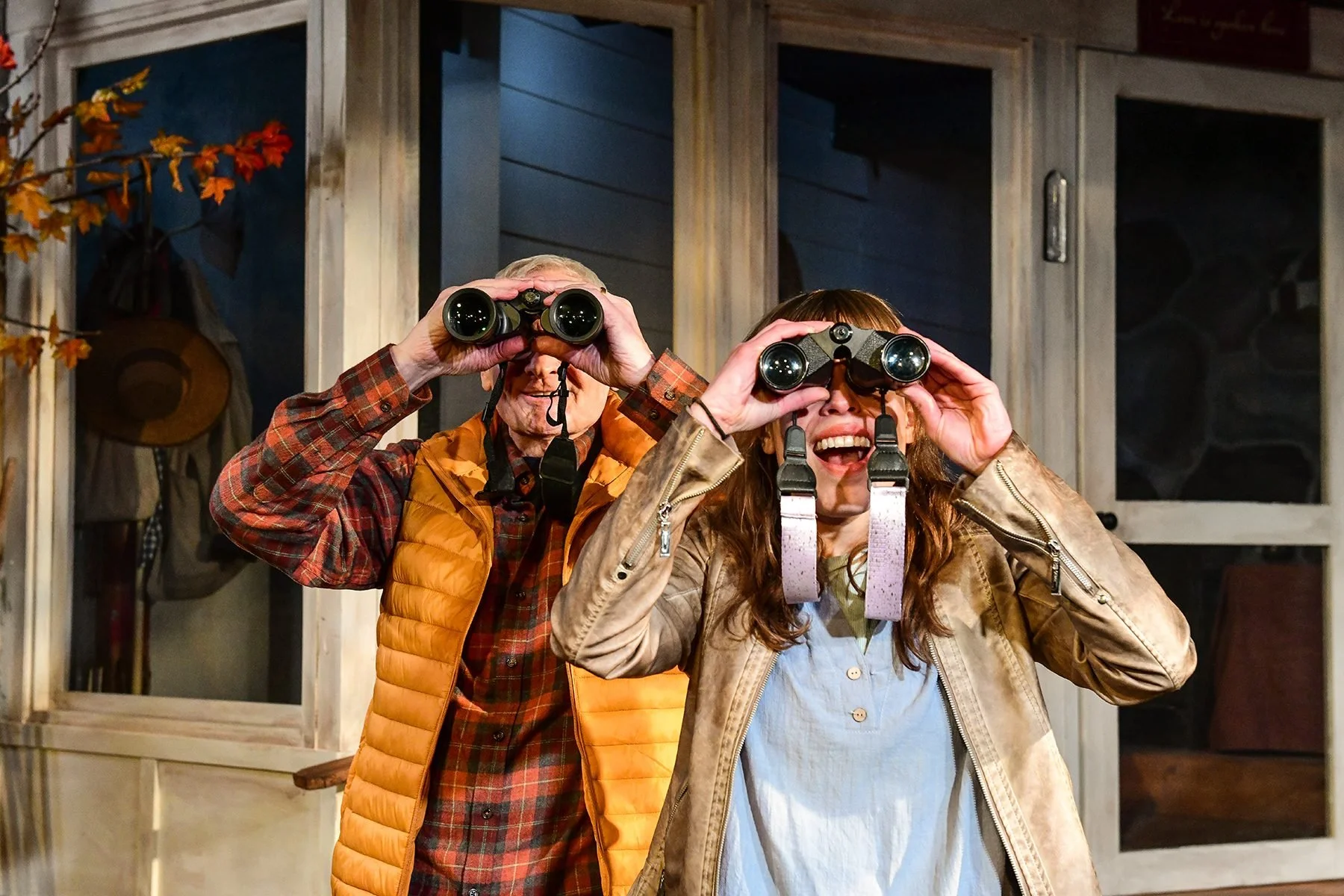
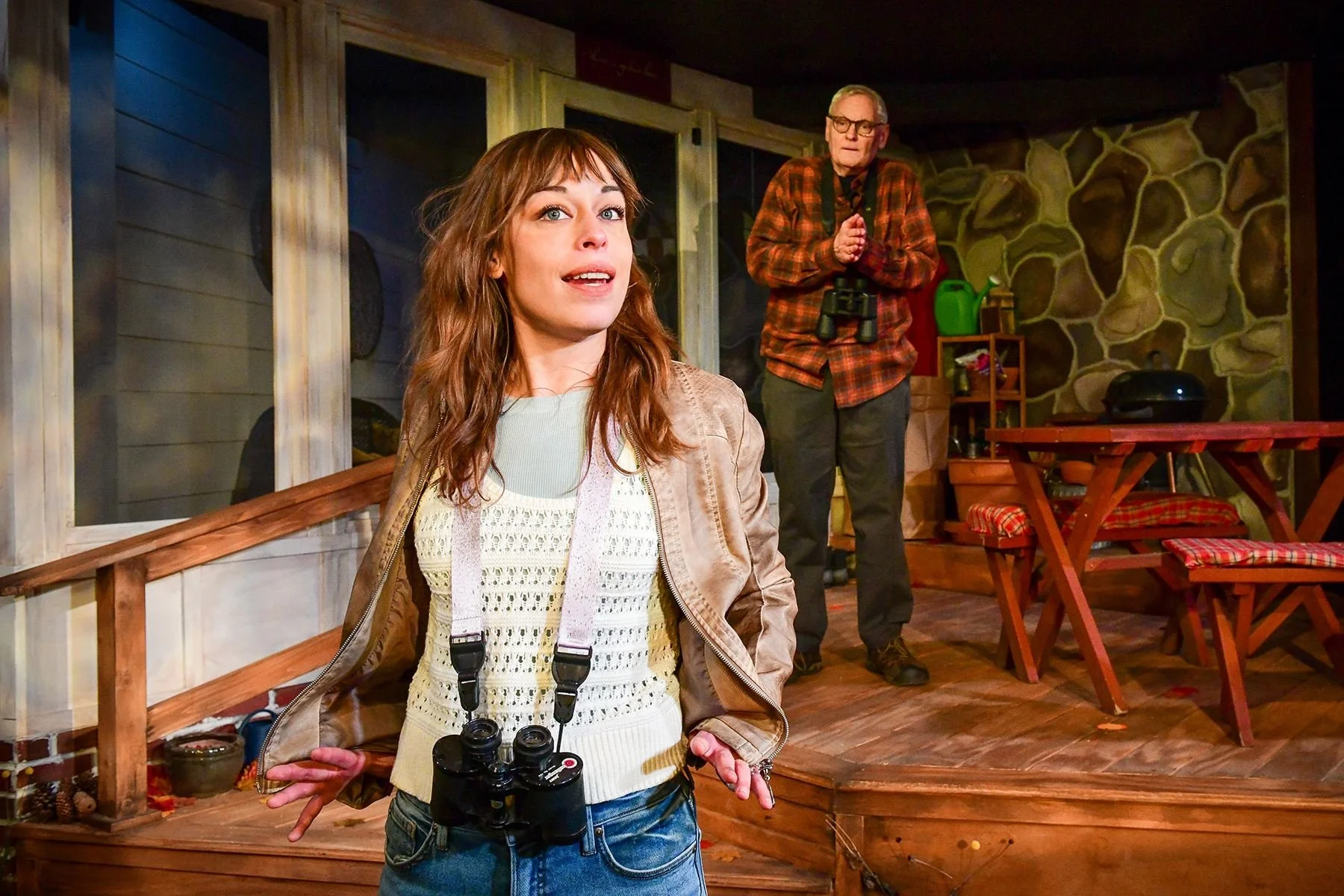
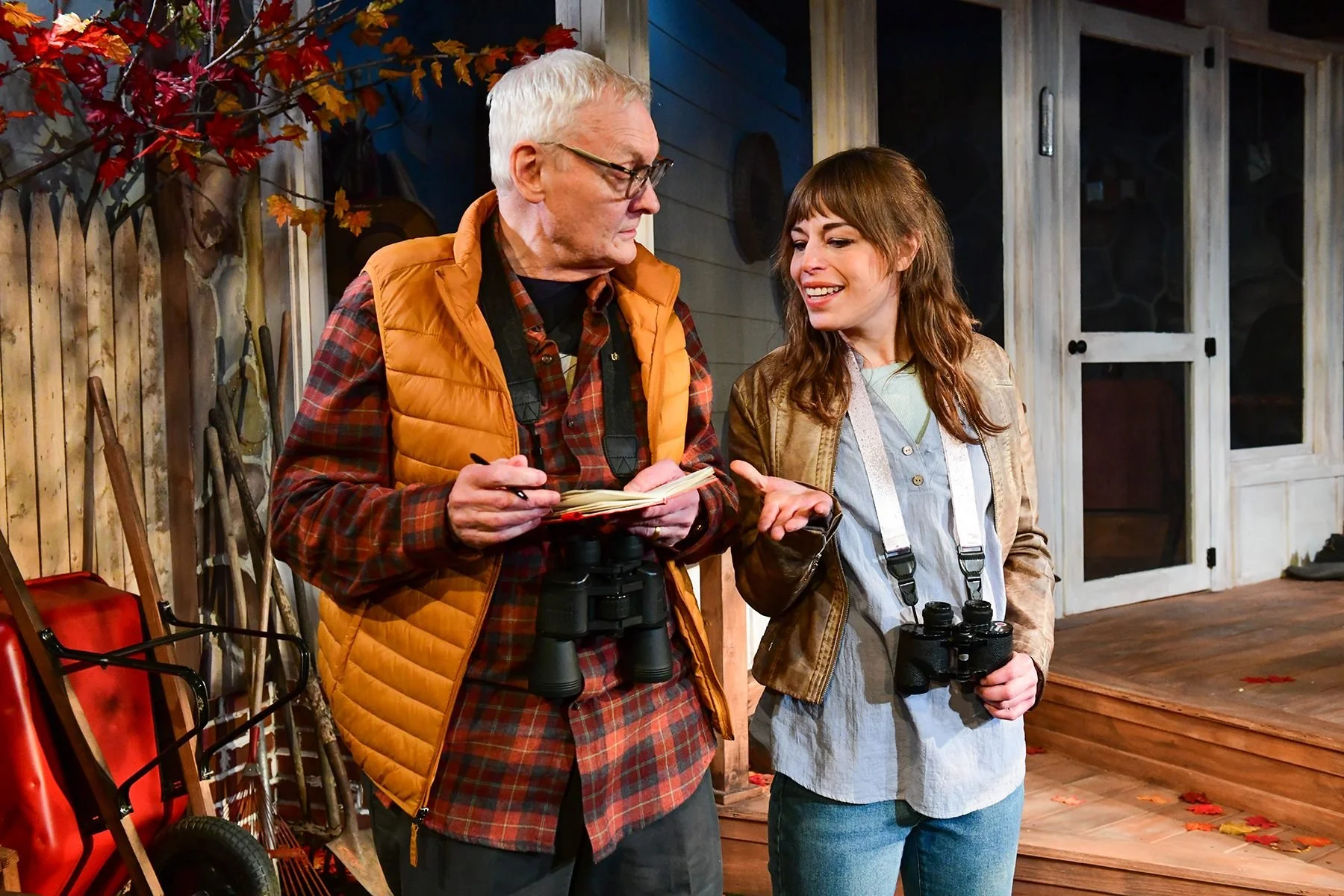
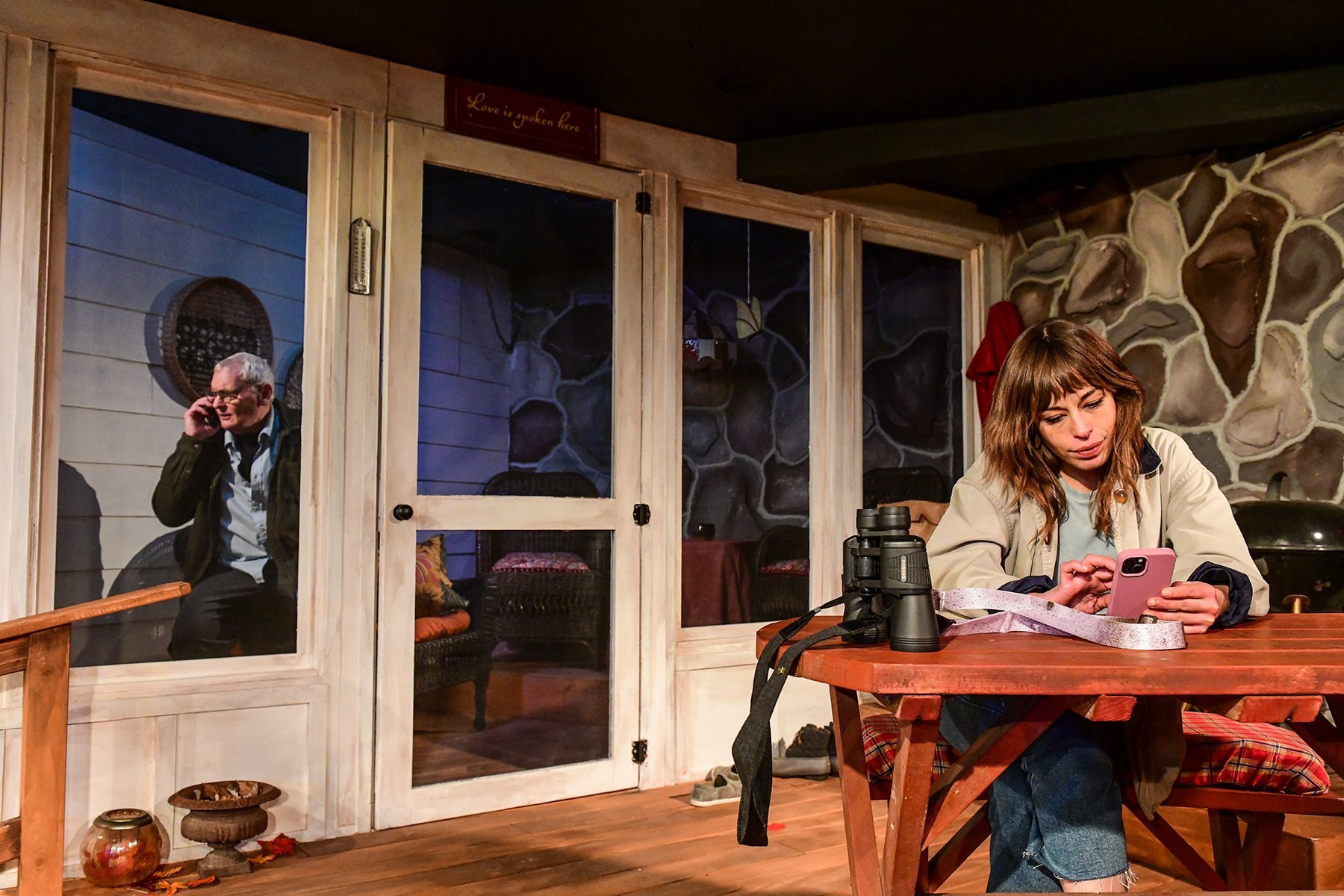
John and his daughter, Caitlyn, are birding from John’s backyard in suburban Maryland, while the two travel through a decade of relational touchpoints. Stage lights rise and fall on this father-daughter duo, marking the many seasons of their respective lives as well as demonstrating time’s ability to erode even the most certain of those seasons. John and Caitlyn peer through their binoculars searching for rare birds, while simultaneously searching for the missing connection within their relationship. Like those elusive winged creatures, they never quite seem to find each other, despite their love and obvious devotion. Their profound humanity in continuing to try will have you rooting for them until the final curtain.

What the ensemble of A Red Orchid Theatre manages to produce in what I’d affectionately call a “micro” theatre space is inspiring and invigorating with “Birds of North America” being no exception: there is nowhere to hide from the themes playwright Anna Ouyang Moench asks us to examine. Her writing nearly demands us to think with adequate complexity on “Us vs. Them” political and philosophical arguments, taking big swings at touchy ideologies: privilege of principle-based living and “working to live vs. living to work” chief among them. Her writing is compassionate while necessarily confrontational—pushing on that stubborn wall between our differing views, pulling on our shared humanity to connect in spite of it.

“Birds of North America” is directed by A Red Orchid Theatre Artistic Director Kirsten Fitzgerald and features standout original composition by Composer and Sound Designer Ethan Korvne. The play’s soundscape is contemplative, gentle, and stirring, offering a surprisingly moving touch to the feel of the story with Morgan Laszlo’s rustic scenic design matched by Seojung Jang’s lighting design. On a particularly blustery winter night, I was warmed to the core by this striking, original, powerful new work.

Equity Jeff-Award winner Cassidy Slaughter-Mason offers a composed and contemplative performance as Caitlyn. Deftly portraying the woes and realities of young adult life in the 21st Century, we share her hope against hope that her science-minded father might understand her, as a person first and a statistic second. A Red Orchid Theatre Ensemble Member John Judd expertly unravels the character of John, a committed conservationist and scientist who isn’t entirely wrong in his staunch pragmatism but often fails to see exactly why that matters. There are about as many iterations of father-daughter struggles as there are bird calls in the wild; this piece drills down to the essence of them all, managing to capture something deeply personal while being sweepingly universal and hauntingly specific.

“Birds of North America” is playing now through February 22nd at A Red Orchid Theatre and is worth braving whatever snow and cold may stand between you and their space on Wells St. There is no need to brush up on your North American Field Guide before attending, but you may find yourself wanting to dig it out on your way home. Before bundling up to attend the theatre, leave it on your nightstand as the second special treat of the evening.

CONTENT ADVISORY: This production includes discussion of miscarriage and brief violence.

GUEST CONTRIBUTOR | SARAH FRANCES FIORELLO is a graduate of Shenandoah Conservatory with a BFA in Music Theatre and a Chicago-based poet, writer, and performer. Instagram: @writtenbysarahfrances

PHOTO|Evan Hanover

A Red Orchid Theatre
presents
Chicago Premiere
Birds of North America
1531 North Wells Street

through February 22, 2026


WEBSITE

TICKETS

For more reviews, visit: Theatre In Chicago

ARCHIVE

PicksInSix® is a registered trademark of Roxbury Road Creative, LLC

PicksInSix Review - AVA: The Secret Conversations - Studebaker Theater


Stardom In and Out of Limelight
PicksInSix® Review | Guest Contributor | Ronald Keaton

Downtown at a jewel of a performance space, the renovated Studebaker Theater located in the Fine Arts Building, the latest bill of fare stars the elegant Elizabeth McGovern in “AVA: The Secret Conversations,” her adaptation of the book by Peter Evans, a character in the play portrayed by Aaron Costa Ganis. The show plays in Chicago through October 12, after runs at the Geffen Theatre in Los Angeles and then at New York's City Center.

In 1988, Ava Gardner has summoned the British journalist to ask him to ghostwrite a memoir or a full autobiography. At first Evans hesitates, being quite experienced in writing unauthorized biographies in real life. In fact, it's interesting that the first character we see onstage is not Ava Gardner, but Peter Evans. He nevertheless conceives an idea of a North Carolina girl picking herself up by the proverbial bootstraps of her upbringing and moving to Hollywood. Indeed, she was 18 in her first film in 1941. In fact, Ava wants to concentrate on sharing her views on her film career, thinking that the stories behind the making of such work would be entertaining for an audience. Evans, with constant pressure from his agent ("Get her to talk about the penis story!"), relents and walks a very difficult tightrope between making sure his agent is satisfied and adhering to what she wishes to talk about.

As the story progresses, we see a rather unique dramatic device that playwright McGovern utilizes in making the writer also stand in for her three husbands—Mickey Rooney, jazz legend Artie Shaw and Frank Sinatra. Slowly, Evans (Ganis valiantly assumes the persona of each husband in the storytelling), tries to convince Ava that he has her best interests at heart, while satisfying his agent's penchant for the gossip simultaneously. Rooney was at his performer's height during their marriage and, as is told, they constantly had sex, wherever and whenever they could. It disguises the fact that they were married only a year, and none of it affected his career—all to Ava's chagrin, as she really was not yet a star. Evans continues to accumulate material with Ava in constant catfight interviews and late-night exchanges, many enveloped in profanity and verbal offense. Then came her marriage to Shaw, one of the most famous jazz musicians in the country, in 1945 at the end of WWII. In time, Ava described him as "emotionally abusive" and yet another marriage lasted hardly a year or so.

In the meantime, Ava finally gets proper attention for her role in The Killers (1946), which turned both her and Burt Lancaster into major stars. And this is what Ava wishes to talk about—her various films, which include: Showboat (1951), Mogambo (1953), and The Barefoot Contessa (1954). It was during this career height that she met and married Sinatra. She was proud of the fact that she used what influence she had to help Sinatra land his Oscar-winning role in From Here To Eternity (1953). The marriage was tumultuous and passionate and the talk of Hollywood for six years, the length it lasted. All of this is fodder for Evans in writing for Ava. Lots of other affairs, including with Howard Hughes, followed. Ava remained true, in her eyes, to the fact that she did what she wanted and ignored judgment on it all.

So now we come closer to the time of the Gardner/Evans breakup and the entire project being shelved. It seems that Evans conveniently forgot to tell Ava that he was involved at one time in a lawsuit for publishing rights to a story about Frank Sinatra, whom she had told was her ghostwriter. He warned her. She confronted Evans, who tried to laugh it off to no avail. A final shouting match ends with Ava, putting on her coat and walking toward the stage apron into a stunning special effect of her disappearing into film.

There's a lovely drawing room set designed by LA scenic designer David Meyer. Projections abound here, too, covering the entire set in neon and streetlights and old film clips, all designed and assembled by Alex Bosco Koch. The entire experience was directed by Broadway veteran Moritz von Stuelpnagel. And as for the actors, well, it's basically a two-hander and a real challenge for any performer. Mr. Ganis offers a huge versatility and gameness for tackling what could have been a thankless role to play and even gets to sing a Sinatra staple, Fly Me To The Moon. Ms. McGovern, always the star here and playing almost the entire show barefoot (as was Ms. Gardner's real habit), has a real gift for dialogue and scene creation as a playwright and a proud Southerner from the beginning.

GUEST CONTRIBUTOR | RONALD KEATON received an Equity Jeff Award for the performance of his one-man show CHURCHILL. www.solochicagotheatre.org  Coming soon, his new solo play about Ben Franklin, THE FIRST EMBASSY.

PHOTO| Jeff Lorch

Elizabeth McGovern and Aaron Costas Ganis
AVA: The Secret Conversations

Studebaker Theater
Fine Arts Building
410 S Michigan Avenue
through October 12, 2025


WEBSITE

TICKETS

SHOW WEBSITE

For more reviews, visit: Theatre In Chicago

ARCHIVE

PicksInSix® is a registered trademark of Roxbury Road Creative, LLC
PicksInSix Review: Amélie - "A Feeling of Absolute Harmony" - Kokandy Productions


Amélie - "A Feeling of Absolute Harmony"
PicksInSix® Review |
Ed Tracy

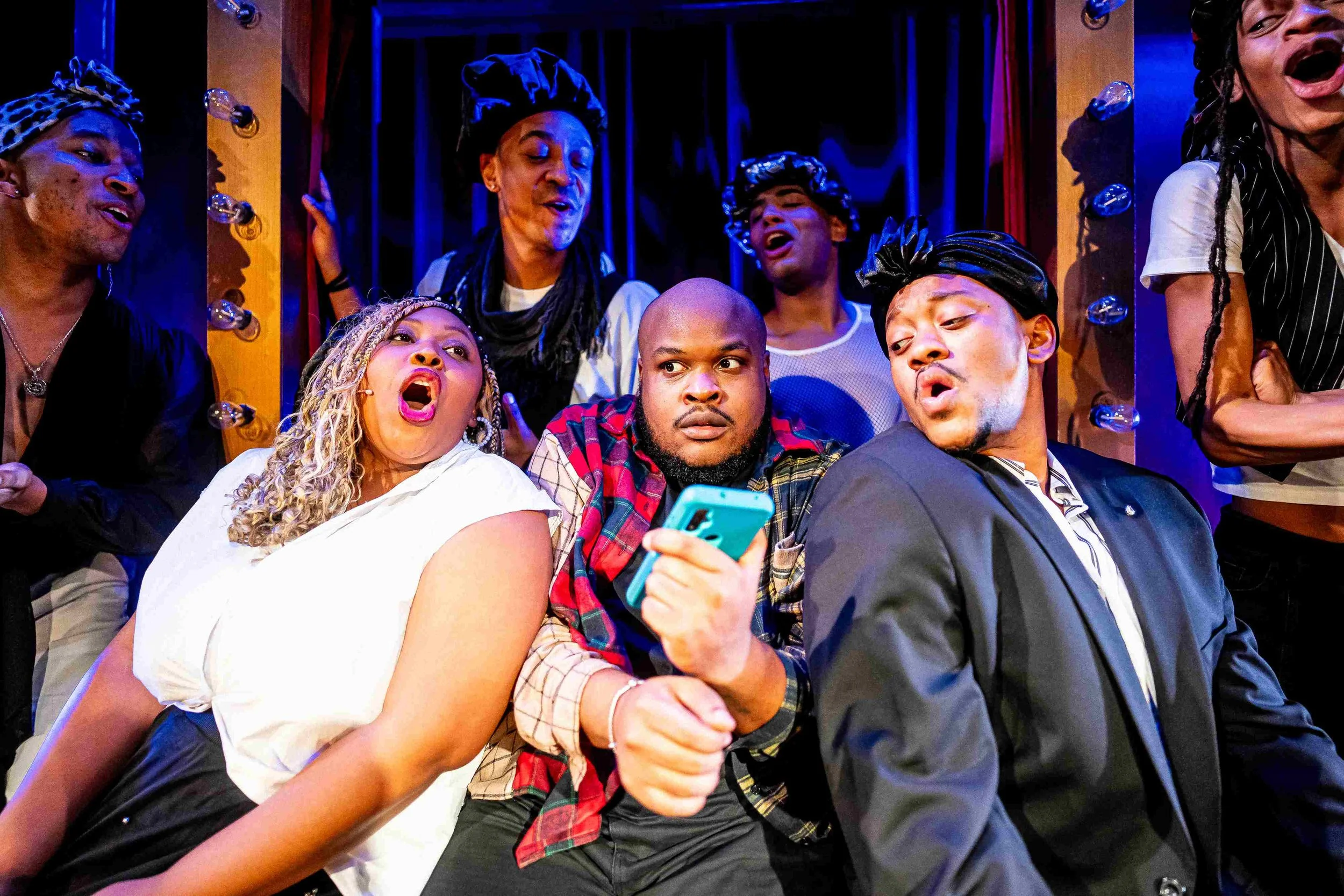
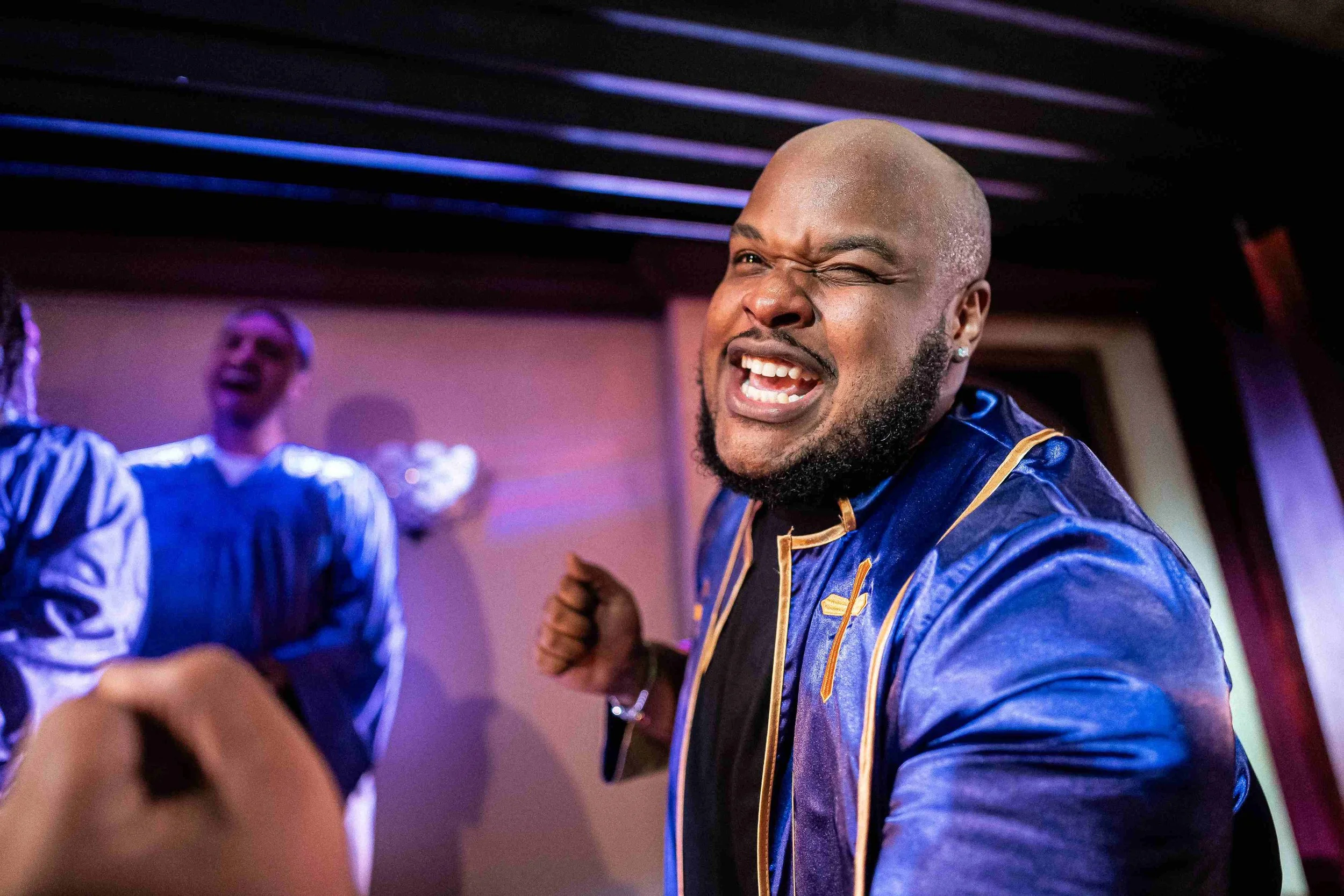
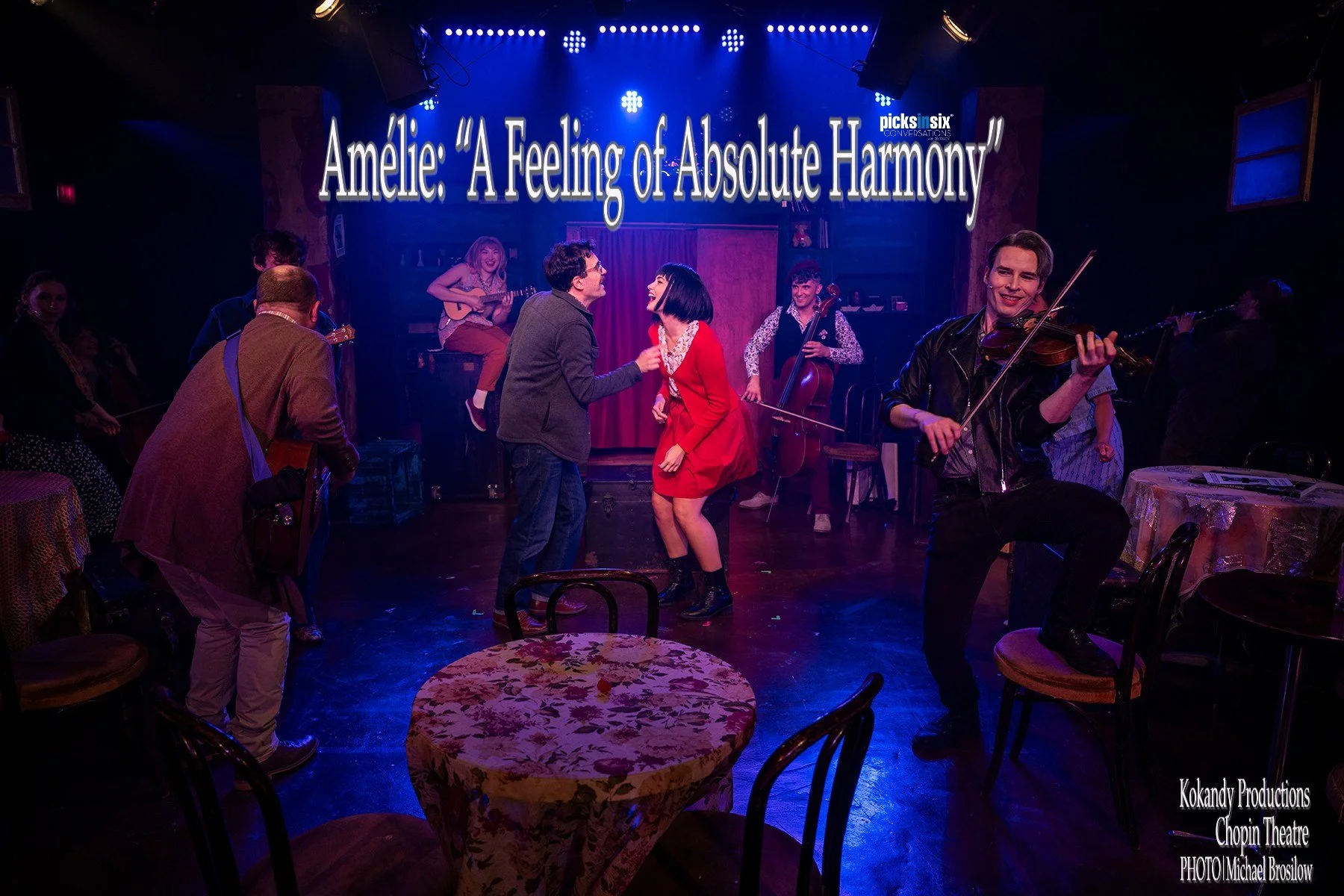
The Chicago premiere of “Amélie: The Musical,” now playing in an exquisite Kokandy production at Chopin Theatre that opened Saturday in the intimate Downstairs Studio, is based on the 2001 award-winning French film written by Jean-Pierre Jenet and Guillaume Laurent. It was adapted for the stage—book by Craig Lucas, music by Dan Meese and lyrics by Meese and Nathan Tysen— and debuted in 2015 at the Berkeley Repertory Theater followed by a brief Broadway run in 2017, a UK tour in 2019 moving to the West End for a summer 2021 run.

The Kokandy production is directed and choreographed by Artistic Director Derek Van Barham with music direction by T. J. Anderson and Anna Wegener. The already lush and whimsical score has been enhanced with additional instrumentation that, in the talented and capable hands of twelve superb actors/singers/musicians, create a glorious experience of sight, sound and song. “Amélie” fits perfectly in the Chopin space and has all the makings of a colossal hit for Kokandy.

Amélie Poulain is a dreamer who overcomes early childhood isolation, and unimaginable loss, using all she has learned for good, to approach the world with wonder and spreading playful joy to everyone around her. Along the way, she builds confidence and develops a circle of friends and mentors who help her gain her own independence, ultimately, revealing the elusive love and affection she has yearned for all her life.

Aurora Penepacker is simply mesmerizing as Amélie, displaying a captivating stage presence that is only surpassed by her stunning vocal abilities. Penepacker, whose star shone brightly last season in Writers “Great Comet,” delivers a multi-layered performance, bursting with enthusiasm and beguiling charm, that is delightful to watch. True to the original story, Penepacker’s Amélie leads us through the mystery of a 40 year-old tin treasure box; the forging of romantic relationships at the café where she works; healing the broken heart of a co-worker; and, bringing peace and solitude to her grieving father.

All the while, the evolving relationship with Nino Quincampoix (Joe Giovannetti, in top form), the object Amélie’s desire, becomes her passionate focus. It is not just how Amélie attracts Nino, the shy and earnest collector of discarded subway photo booth images, but the interconnecting paths of all of the unique characters who serve as narrators to move the story along. Even though this feels very much like a collaborative ensemble experience throughout, Amélie’s parents Amandine (Rachel Carreras) and Raphael (Kelan M. Smith, who also covers Bretodeau), Sonia Goldberg’s Gina (“Window Seat”) and Jon Patrick Penick (Collignon/Julien Dufayel) and the company’s Act I closer “Goodbye, Amélie” leave memorable impressions.

The fine work of dialect coach Carrie Hardin is evident. The vast instrumentation—I lost count at twelve—and the quality of the musical performances is a credit to every member of the company—backed up by Kara Olander and Anna Wegener—who contribute to the exquisite harmonies. “Amélie: The Musical” has it all from an outstanding, energetic cast to an accomplished technical team—sound design by Matt Reich, mixed and engineered by Lynsy Folckomer and Mackenzie Hahn, set and lights by G “Max” Maxin IV and costumes by Rachel Sypniewski—all combining for a rich and robust vocal and instrumentation mix that is in a word: Magnifique!  

PHOTO|Michael Brosilow

Kokandy Productions
presents
Amélie
Chopin Theatre
Downstairs Studio
1543 W. Division Street
through September 28, 2025


WEBSITE

PROGRAM

For more reviews, visit: Theatre In Chicago

ARCHIVE

PicksInSix® is a registered trademark of Roxbury Road Creative, LLC
PicksInSix Review: Golden Leaf Ragtime Blues - American Blues Theater


Generations Collide in Nostalgic ‘Ragtime Blues’
PicksInSix® Review | Guest Contributor | Ronald Keaton

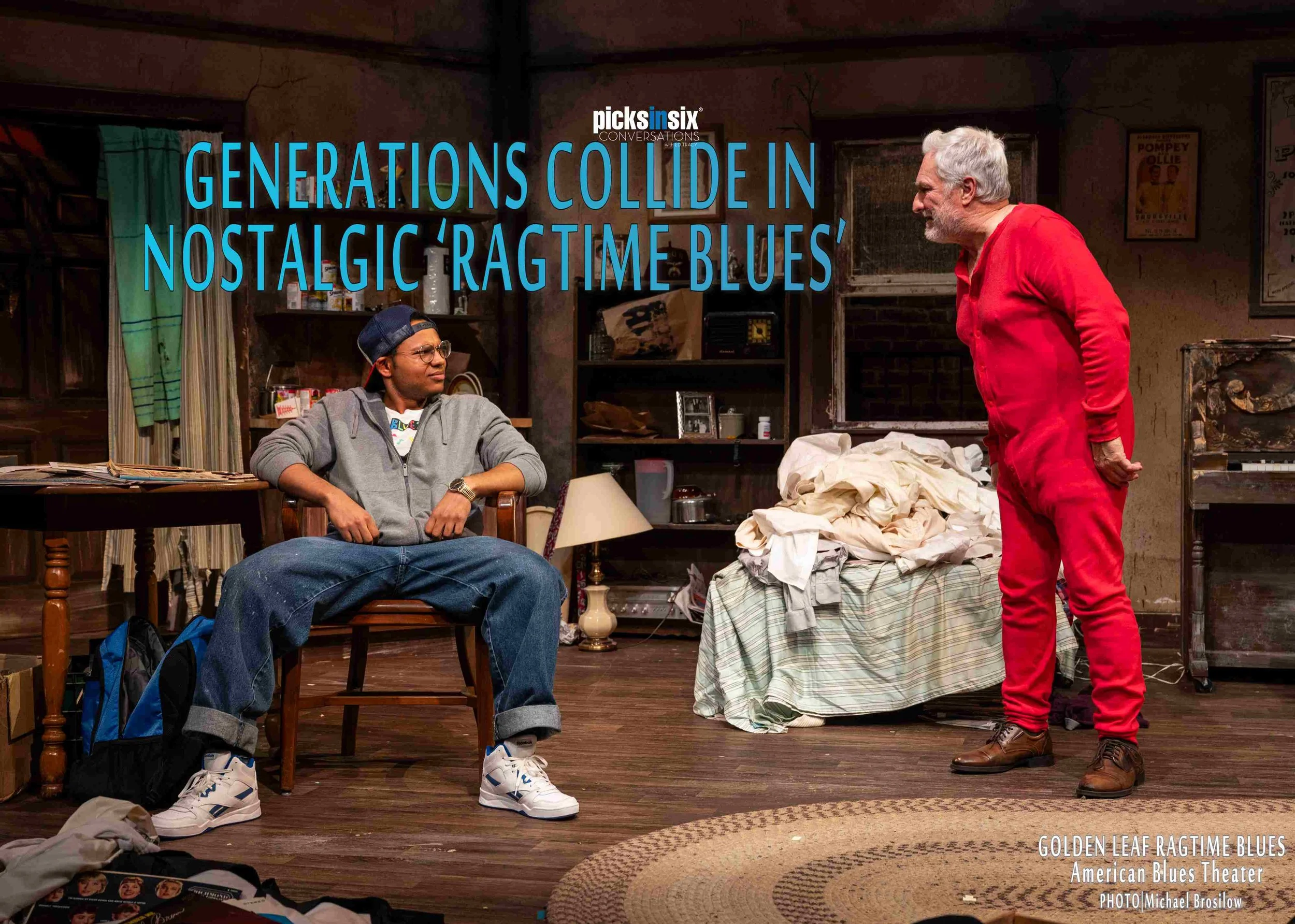
The fine playwright Charles Smith has written a thoughtful play, “Golden Leaf Ragtime Blues,” now playing through June 29 at American Blues Theater's intimate space on Lincoln Avenue. He has offered up lots of food for considerable thought in what is a deceptively simple premise in this Chicago premiere expertly directed by Chuck Smith. Two characters—one, an elderly vaudevillian who does not want to give up the chase for the next laugh; and the other, a young Black teenager with a great deal of history to deal with, as well as personal anger—are thrown together in a shabby apartment to deal with each of their issues. And there are many.

It all takes place sometime in the 1990s. The fictional comedy team of Pompey and Ollie, who played a minor vaudeville circuit as well as any, are rehearsing an old routine. Pompey (such an elegant performance by ABT Ensemble Member Dennis Cockrum) has forgotten a punchline to a joke that he and Ollie (the wonderfully understated James Sherman) have done thousands of times. This is apparently a pattern of forgetfulness by Pompey, so much so that Ollie decides to break up the act. It all rattles Pompey greatly and he holds anger toward an old friend that is not necessarily justified. What it comes down to is the death of Pompey's style of humor.

Segue to Pompey’s apartment, a rundown and not-well-kept living quarters full of old cans and newspapers and laundry that needs to be done. Three weeks ago, Ollie died unexpectedly, and Pompey is so distraught that he pulls out a gun and threatens to shoot himself. He is saved by a knock on the door from his daughter Marsha (Dawn Bach in a strong offering), who has come by on a rare visit. The predictable argument between the generations is interrupted by another knock on the door. A young Black kid, whose nickname is Jet, has come to tell Marsha that her car is about to be ticketed. Soon it comes out that Marsha and Jet (Justin Banks is pretty riveting throughout) have actually talked about adoption, which upsets Pompey to no end.

Marsha finds a way to finally get out the door to take care of the car by going to the grocery store to get her father some food—all he has are endless cans of SpaghettiOs. So now the meat of the play begins. Pompey and Jet play a unique game of cat-and-mouse in letting little bits of personal story out, while each says that he really doesn't care. Jet's history is quite checkered and difficult. Fourteen different foster families. Endless stays in group homes.  His mother died of cancer; his father is in jail for an extended stay because of possession of two joints. Remember this is the early 90s, when laws about marijuana were much stricter, and minorities were overly charged and convicted in such matters.

The strengths in the Smith script are dominant here. The constant tensions that ping-pong back and forth between Pompey and Jet are admirably handled. This could sink into a battle of stereotypes, and it avoids that trap through fun ideas from the playwright's rich, creative arsenal. Pompey and Jet actually toy with the idea that they might partner up and create their own act. But Pompey's jokes are hopelessly outdated, so Jet suggests adapting some blue material from the recordings of Redd Foxx, which are hilarious on their own. We then get the privilege of seeing Pompey react to Jet's sharing in comedic horror. Then there are the highly personal moments. Jet talks painfully of seeing his mother being driven away in an ambulance, while the authorities take him into juvenile custody and, eventually, his first group home.  Pompey fights a strong feeling of irrelevance by constantly delving into his bag of show business jokes and details. It's a unique exchange that seems headed toward a kind of happy moment.  Until...

And the last ten minutes or so, I will leave for future audiences to discover. Mr. Cockrum is simply grand in his element here as the sad clown who can't find his way to happiness in life. Mr. Sherman appears in moving, ghostly form a couple of times after Ollie's death in Pompey's thoughts to help him find his way. Ms. Bach injects some informed depth into her Marsha, a woman of her time in holding down a job while feeling the attraction, however drawn she is, to a kind of motherhood. Mr. Banks is the real dramatic coin in the ensemble, making sure that Jet's generation is regarded by Pompey as more than a stereotype. In the hands of Mr. Banks, Jet is indeed a real flesh-and-blood young man playing the cards he's been dealt as well as he knows how. And it's all directed with the usual expert eloquence by the wonderful director Chuck Smith. The experience here is noble, nostalgic, achingly personal and deserves all praise.

GUEST CONTRIBUTOR | RONALD KEATON received an Equity Jeff Award for the performance of his one-man show CHURCHILL. www.solochicagotheatre.com  Coming soon, his new solo play “Teddy’s Last Ride.”

PHOTO|Michael Brosilow

American Blues Theater
presents
Chicago Premiere
Golden Leaf Ragtime Blues
5627 N Lincoln
through June 29, 2025


WEBSITE

TICKETS

PROGRAM

BACKSTAGE GUIDE

For more reviews, visit: Theatre In Chicago

ARCHIVE

PicksInSix® is a registered trademark of Roxbury Road Creative, LLC

ALL RIGHTS RESERVED

Copyright 2014-2026

Roxbury Road Creative, LLC

Powered by Squarespace